Getir Oto / Design Case

Revolutionizing the educational ecosystem with a mobile app designed to enhance interactive learning and peer collaboration.
Introduction

This design case explores how to create a seamless and user-friendly vehicle purchasing experience within the Getir ecosystem. The goal was to align the entire flow with Getir’s existing design system while introducing scalable solutions that enhance usability and trust. From vehicle selection to package customization, payment, and delivery, every step was designed to provide clarity and ease of use. By leveraging intuitive UI patterns and familiar interaction models, the experience ensures that users can effortlessly complete their journey. This case study demonstrates how thoughtful UX design can simplify complex decision-making processes while maintaining brand consistency.

Role

UX/UI Designer

Industry

EdTech

Year

2023

Duration

2 Weeks
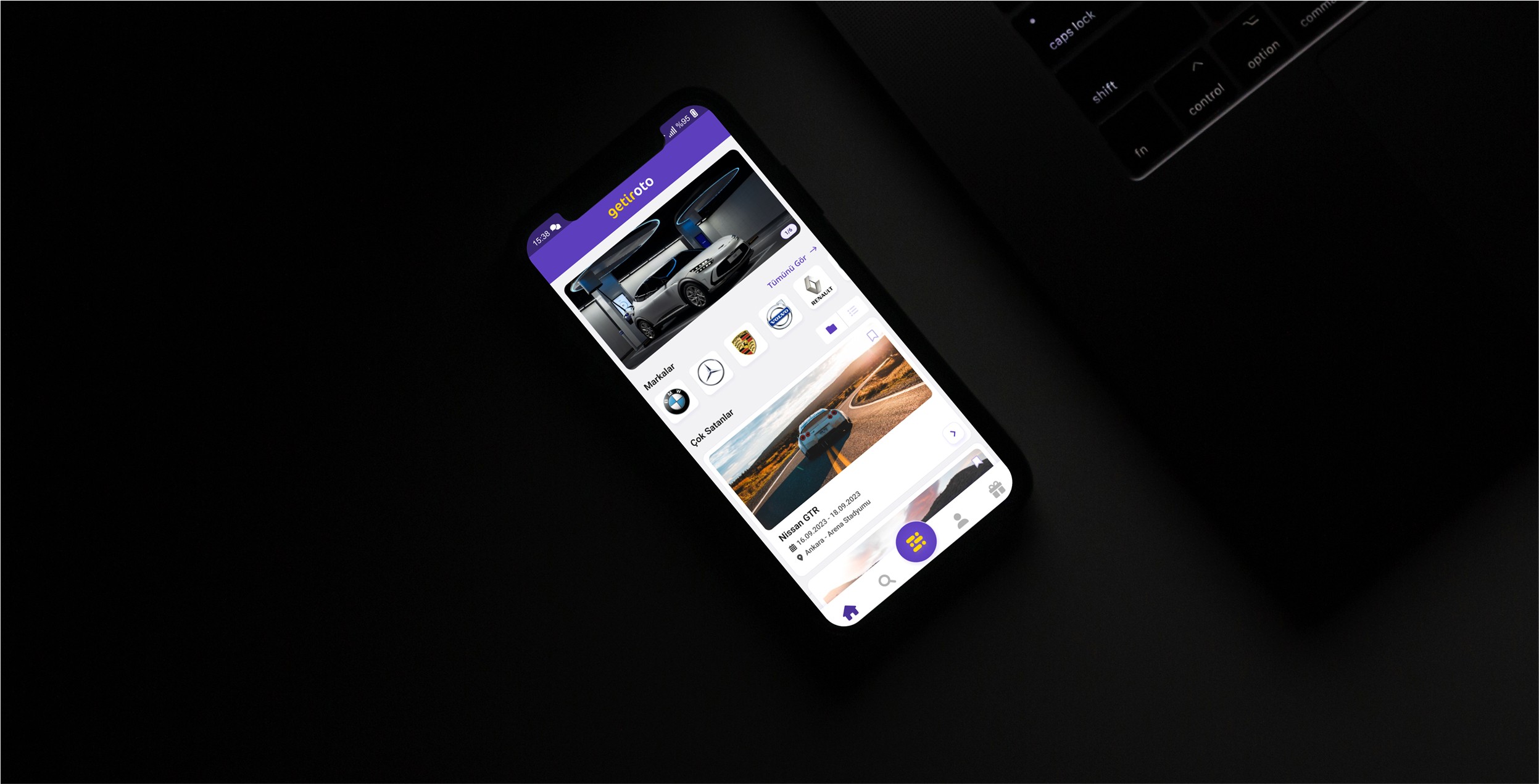
a cell phone on a table

Brief

We sell cars with Getir
We are waiting for you to design a product that we will sell new cars through the Getir application.

Problems and Goal

Problems: Most of people go to the dealership to buy a car. They cannot complete the process through the application within a secure payment and delivery process.
The goal: Users who want to buy first hand vehicles can do all their transactions using the getiroto application. Payment and delivery steps are the most important. Delivery must be available from the dealer or with a bring representative.

Research

Engaged with over 100 students and educators through online surveys, in-depth interviews, and virtual focus groups to gather comprehensive insights into their learning habits, preferences, and frustrations with current educational tools. This exhaustive research phase highlighted the need for more interactive and collaborative learning solutions, leading to the development of detailed user personas representing the app's target audience.

Competitive Analysis

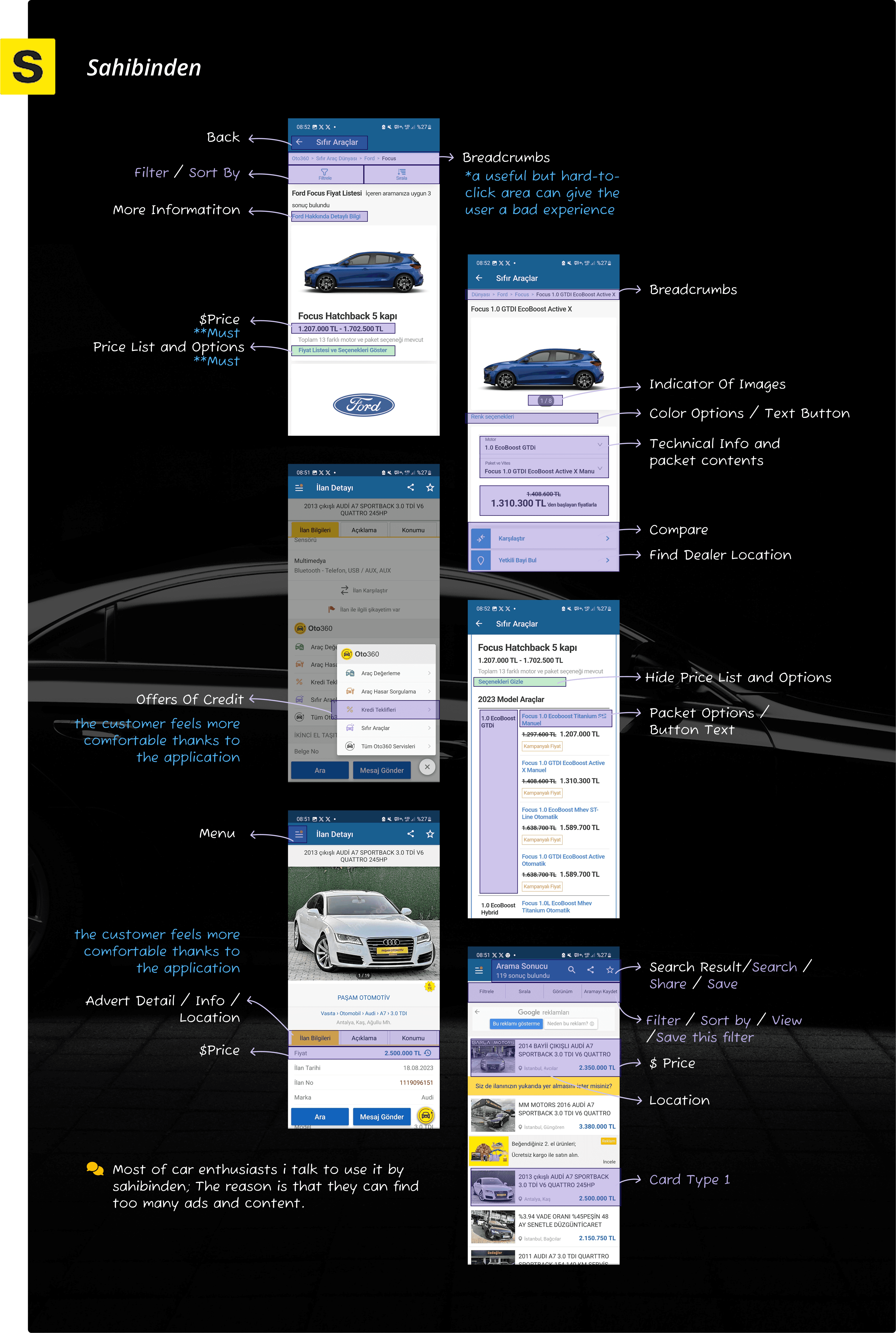
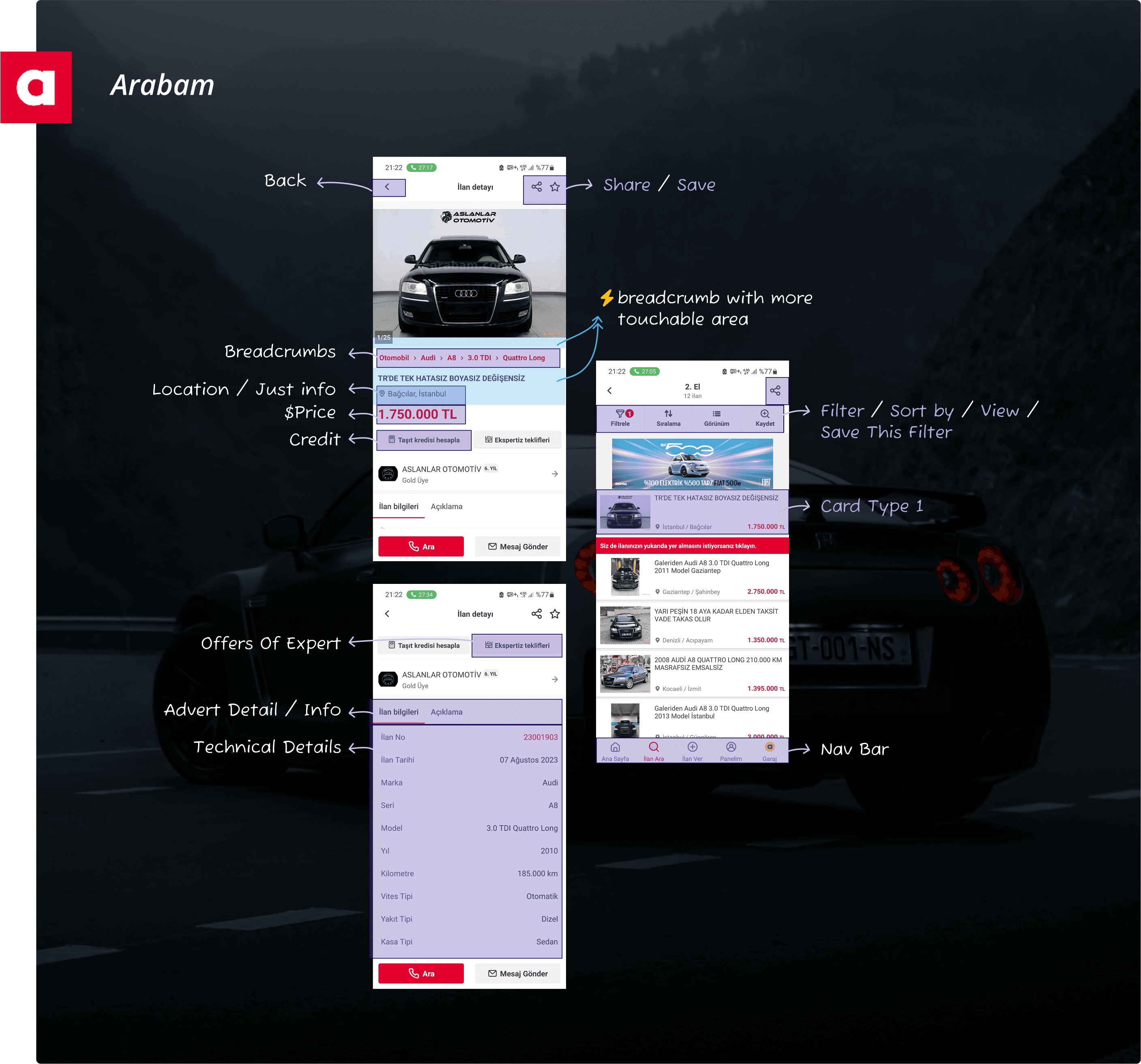
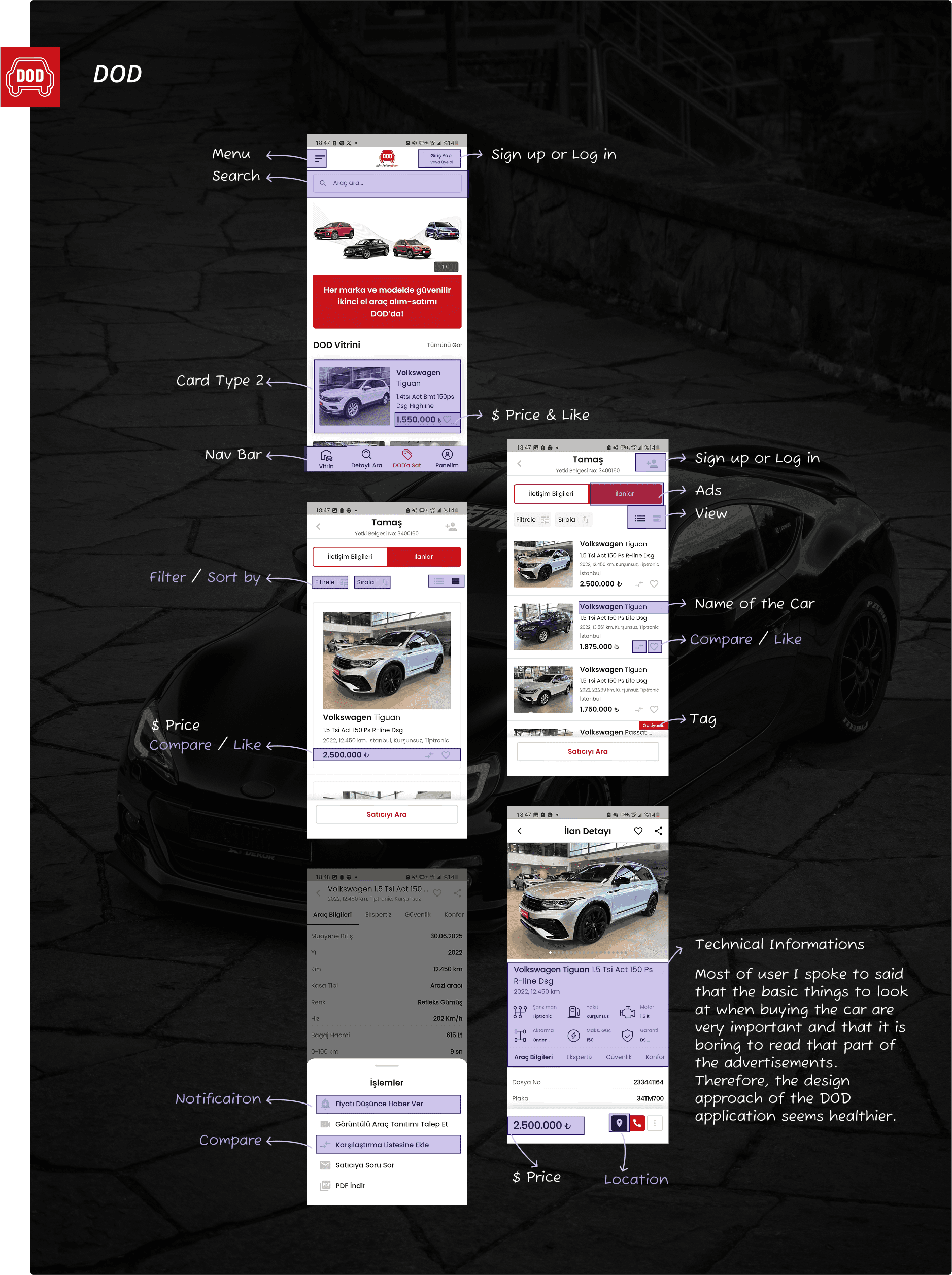
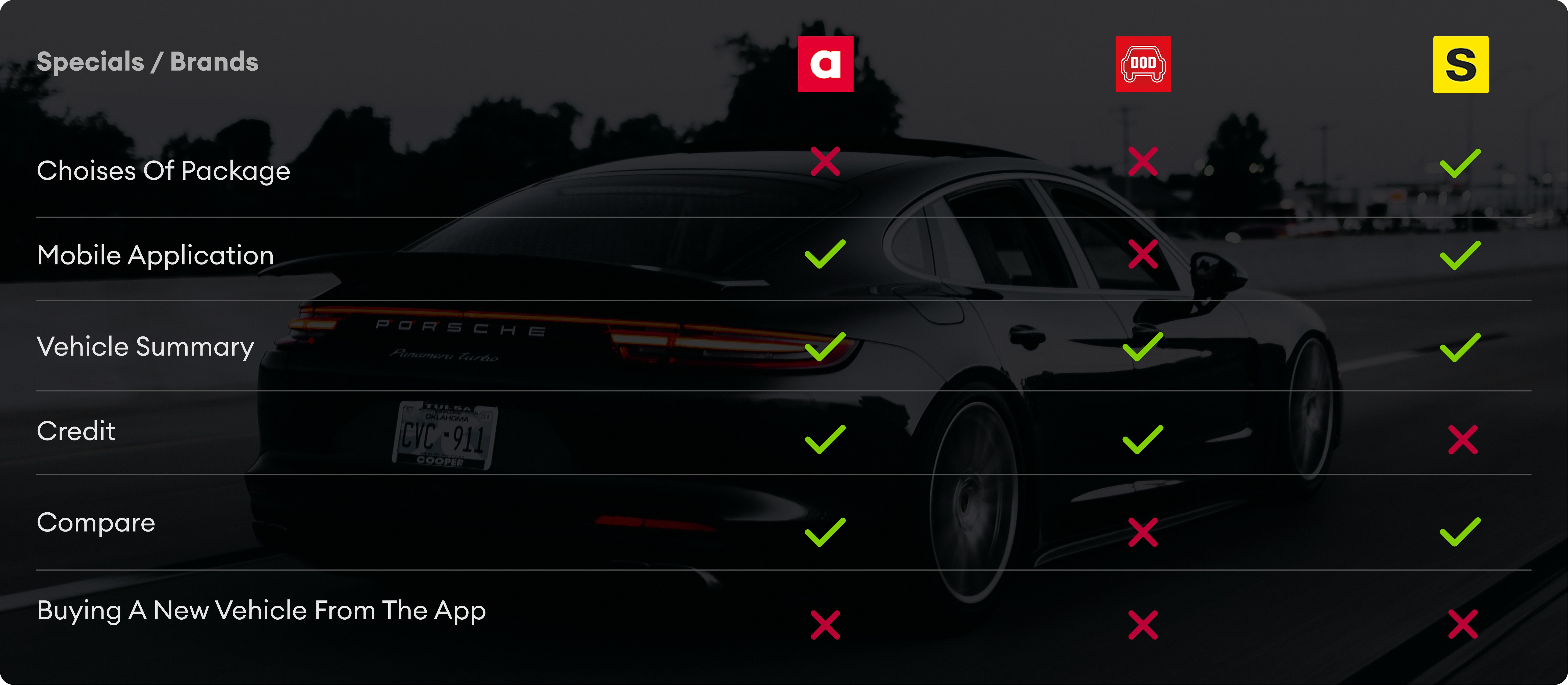
I conducted a competitive analysis of Arabam, DOD, and Sahibinden mobile applications to evaluate their strengths, weaknesses, and user experience strategies. This analysis provided valuable insights into industry standards, feature implementations, and user behaviors, helping to identify opportunities for improvement and differentiation within Getir Oto.

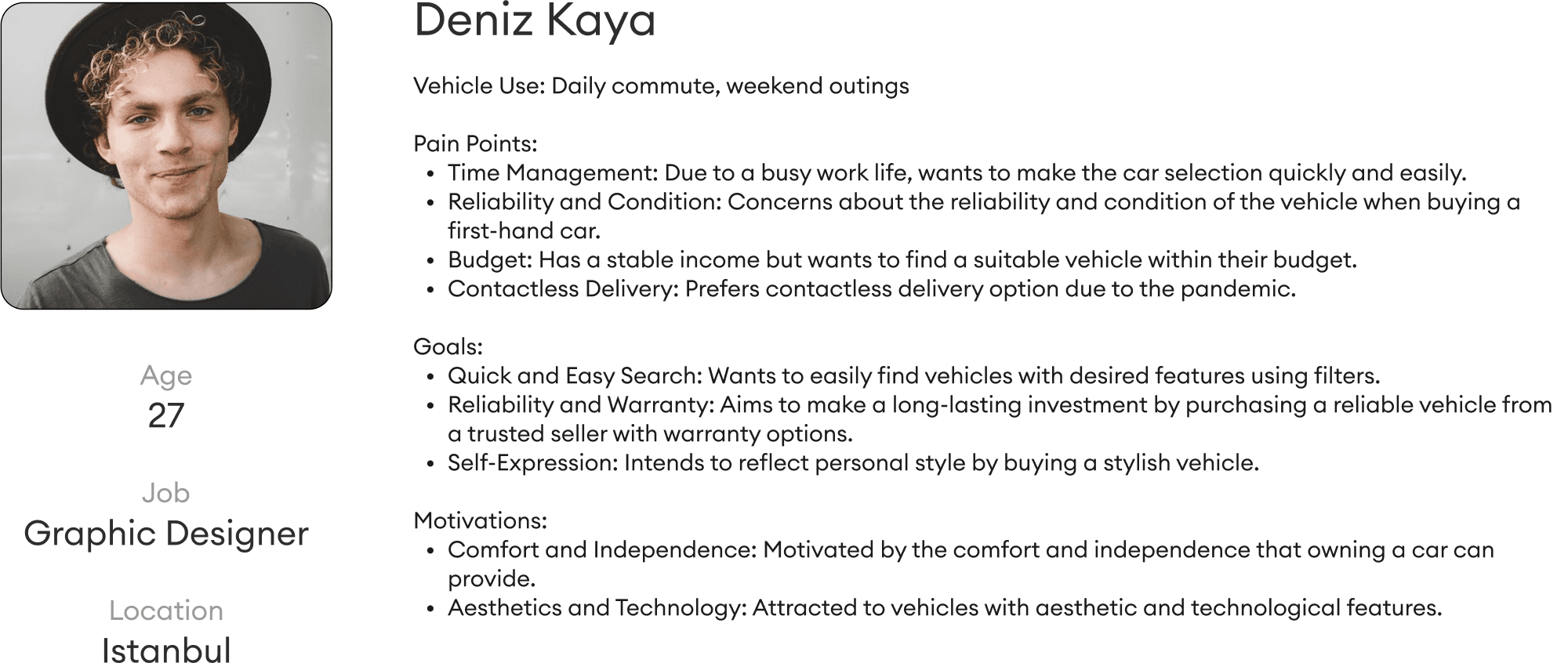
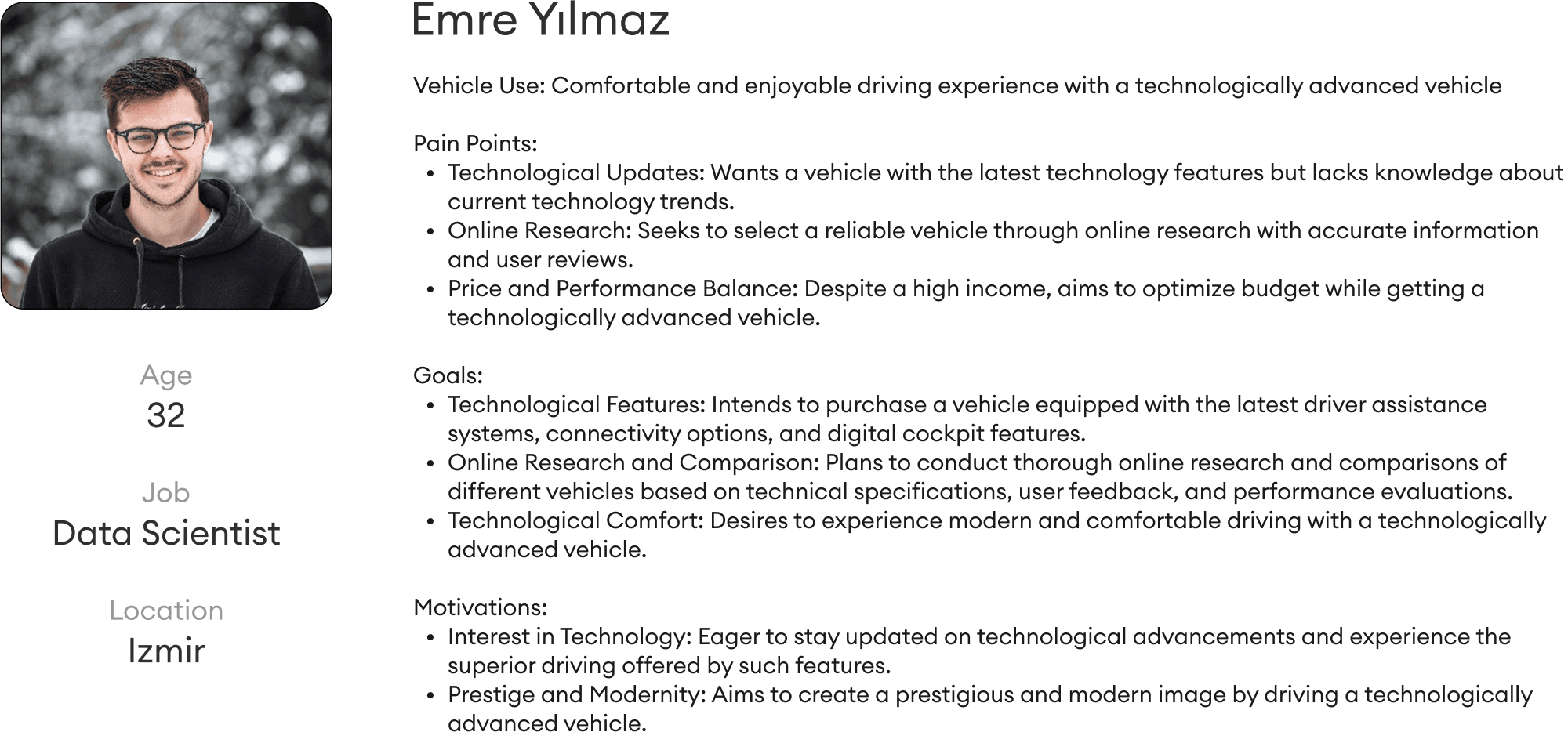
User Persona

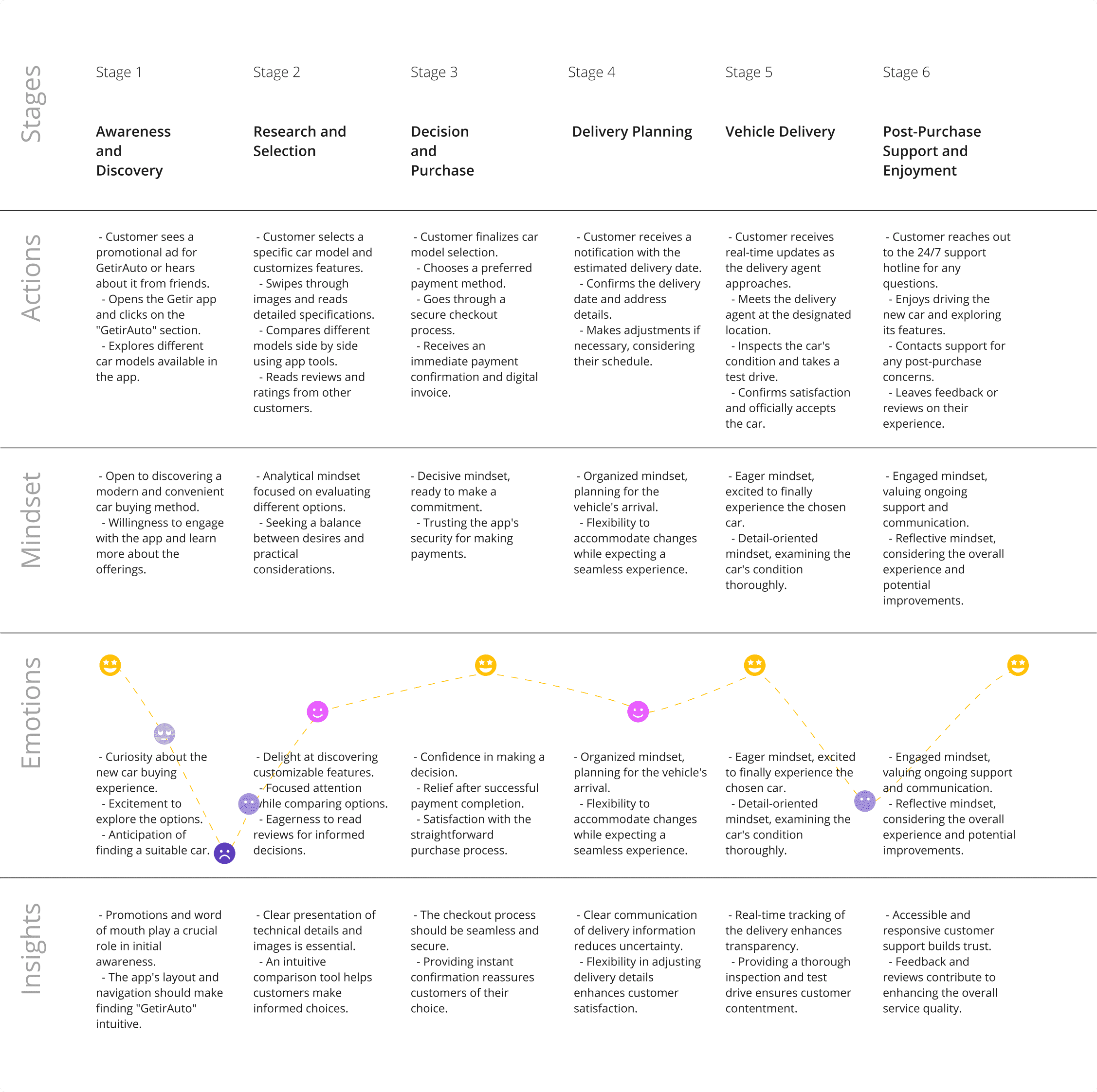
Customer Journey Map

The customer journey for Getir Oto was designed to provide a smooth and intuitive experience from vehicle selection to final delivery. The process begins with vehicle discovery, where users can filter and compare different options based on their needs. To ensure informed decision-making, the interface presents key details such as pricing, features, and availability in a clear and digestible manner. Users can then customize their package, selecting additional services or upgrades that enhance their experience.

Once the package is finalized, the payment process is structured to be seamless and transparent, offering multiple payment methods and providing real-time feedback to minimize errors. After completing the purchase, the delivery phase keeps users engaged with a persistent status card, ensuring they have continuous access to their vehicle’s progress. Whether they opt for home delivery or pickup from a partner dealership, the integration of a QR-based authentication system guarantees a secure and hassle-free handover. By prioritizing accessibility, efficiency, and psychological reassurance, this journey was crafted to align with user expectations and enhance overall satisfaction.

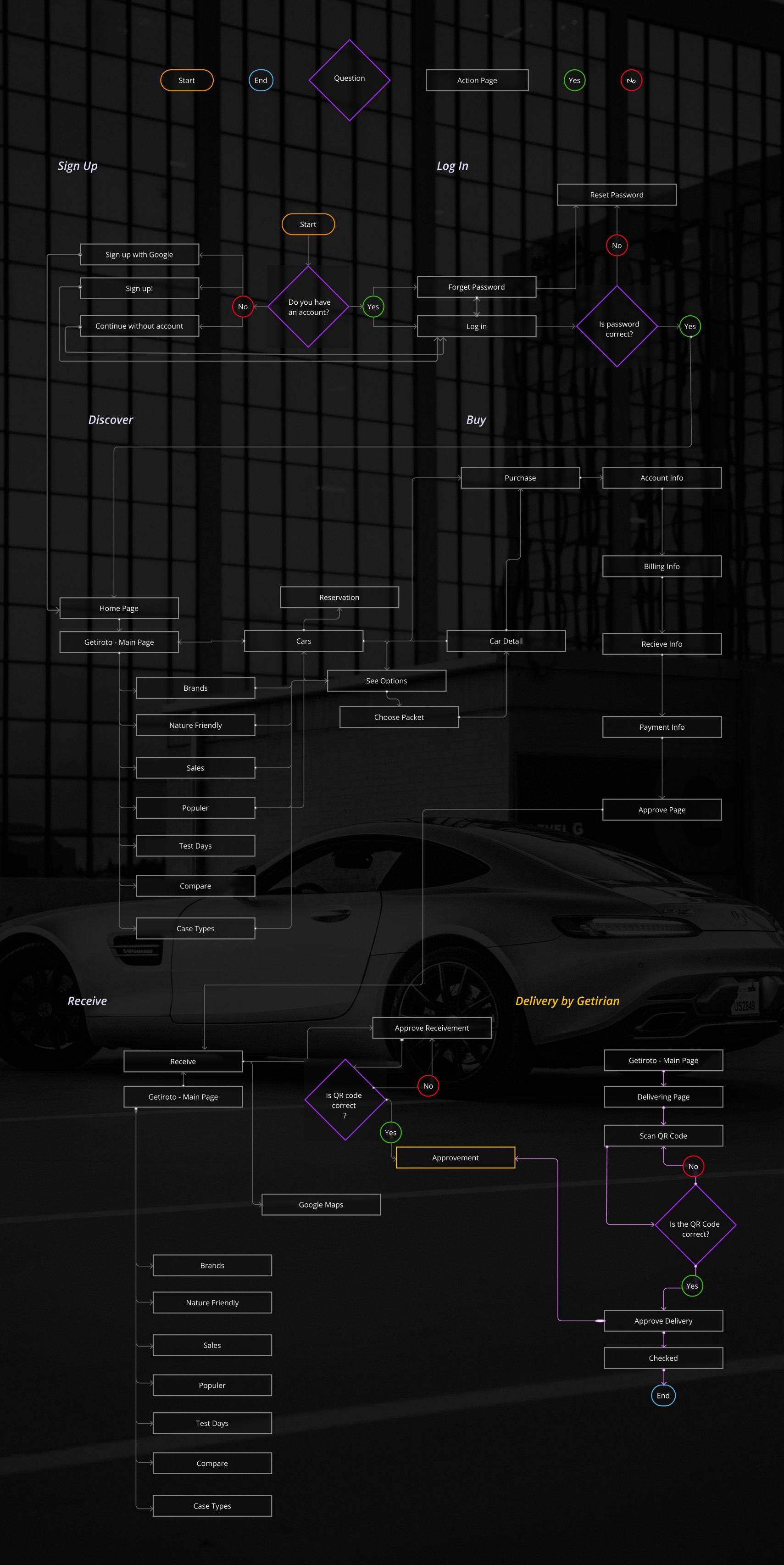
User Flow

The user flow begins with downloading the app, followed by a seamless sign-up or log-in process to personalize the experience. Users then enter the vehicle discovery phase, where they can filter, compare, and explore different options before making an informed decision. Once a selection is made, the payment process ensures transparency and flexibility with multiple payment options. Finally, users receive real-time updates on their purchase, leading to a smooth and secure vehicle delivery or pickup experience.

Brief

We sell cars with Getir
We are waiting for you to design a product that we will sell new cars through the Getir application.

Problems and Goal

Problems: Most of people go to the dealership to buy a car. They cannot complete the process through the application within a secure payment and delivery process.
The goal: Users who want to buy first hand vehicles can do all their transactions using the getiroto application. Payment and delivery steps are the most important. Delivery must be available from the dealer or with a bring representative.

Research

Engaged with over 100 students and educators through online surveys, in-depth interviews, and virtual focus groups to gather comprehensive insights into their learning habits, preferences, and frustrations with current educational tools. This exhaustive research phase highlighted the need for more interactive and collaborative learning solutions, leading to the development of detailed user personas representing the app's target audience.

Competitive Analysis

I conducted a competitive analysis of Arabam, DOD, and Sahibinden mobile applications to evaluate their strengths, weaknesses, and user experience strategies. This analysis provided valuable insights into industry standards, feature implementations, and user behaviors, helping to identify opportunities for improvement and differentiation within Getir Oto.

User Persona

Customer Journey Map

The customer journey for Getir Oto was designed to provide a smooth and intuitive experience from vehicle selection to final delivery. The process begins with vehicle discovery, where users can filter and compare different options based on their needs. To ensure informed decision-making, the interface presents key details such as pricing, features, and availability in a clear and digestible manner. Users can then customize their package, selecting additional services or upgrades that enhance their experience.

Once the package is finalized, the payment process is structured to be seamless and transparent, offering multiple payment methods and providing real-time feedback to minimize errors. After completing the purchase, the delivery phase keeps users engaged with a persistent status card, ensuring they have continuous access to their vehicle’s progress. Whether they opt for home delivery or pickup from a partner dealership, the integration of a QR-based authentication system guarantees a secure and hassle-free handover. By prioritizing accessibility, efficiency, and psychological reassurance, this journey was crafted to align with user expectations and enhance overall satisfaction.

User Flow

The user flow begins with downloading the app, followed by a seamless sign-up or log-in process to personalize the experience. Users then enter the vehicle discovery phase, where they can filter, compare, and explore different options before making an informed decision. Once a selection is made, the payment process ensures transparency and flexibility with multiple payment options. Finally, users receive real-time updates on their purchase, leading to a smooth and secure vehicle delivery or pickup experience.

Getir User Interface Analysis

To create user experiences for Getir Oto, I decided to continue existing with user habits. Because of this aim to design my Geitr Oto application, I analyzed Getir Interface Design and found component design decisions like radiusus, grid, spacing, etc. Also, I analyzed the Getir Design System and guideline. I used their corporate identity, like color system, typography, and more..
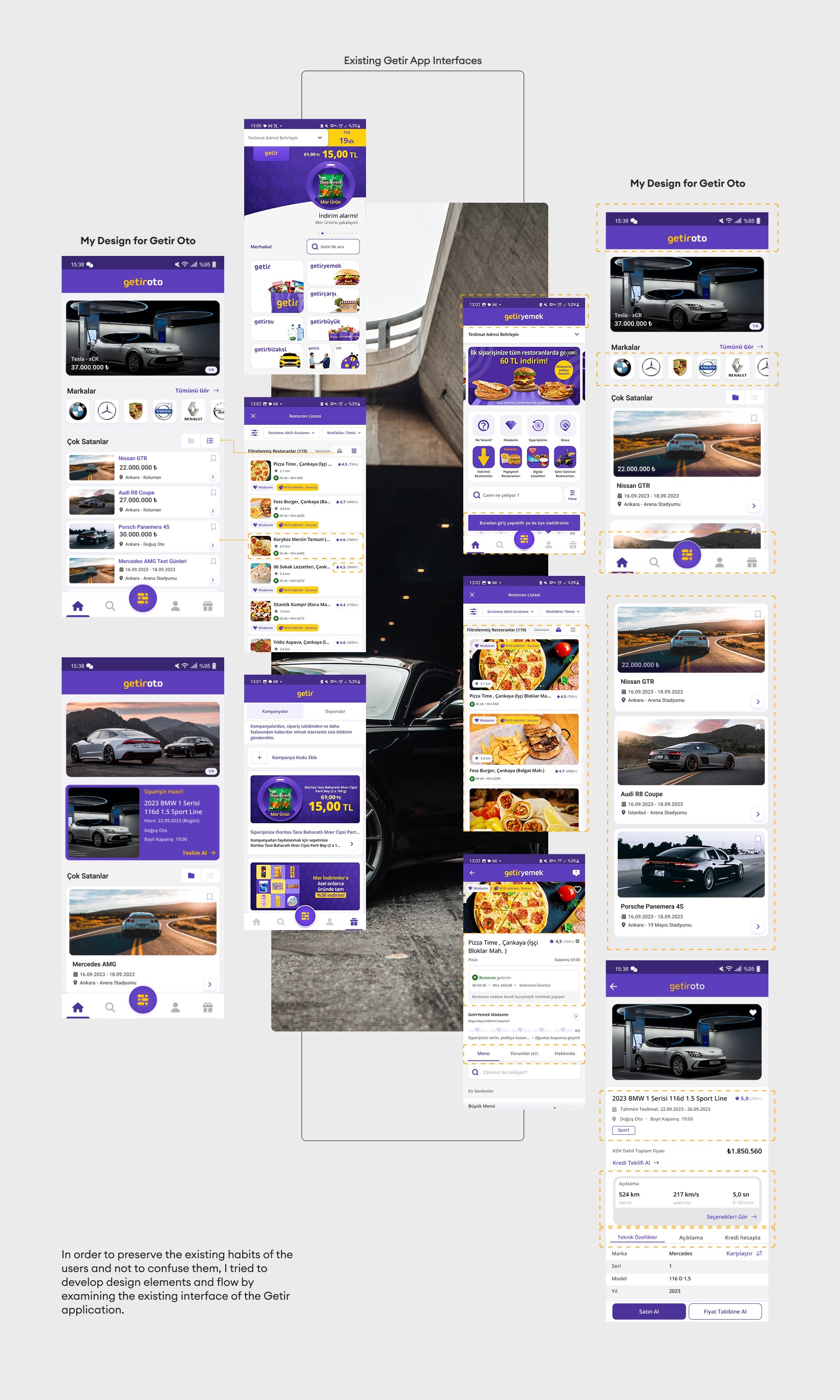
Analysis - Getir Design System

Organized a series of remote user testing sessions, employing both qualitative and quantitative methods to evaluate the app's usability and effectiveness in fostering collaborative learning. Analyzed feedback to identify patterns and areas for improvement, leading to several design iterations that enhanced user engagement and satisfaction.

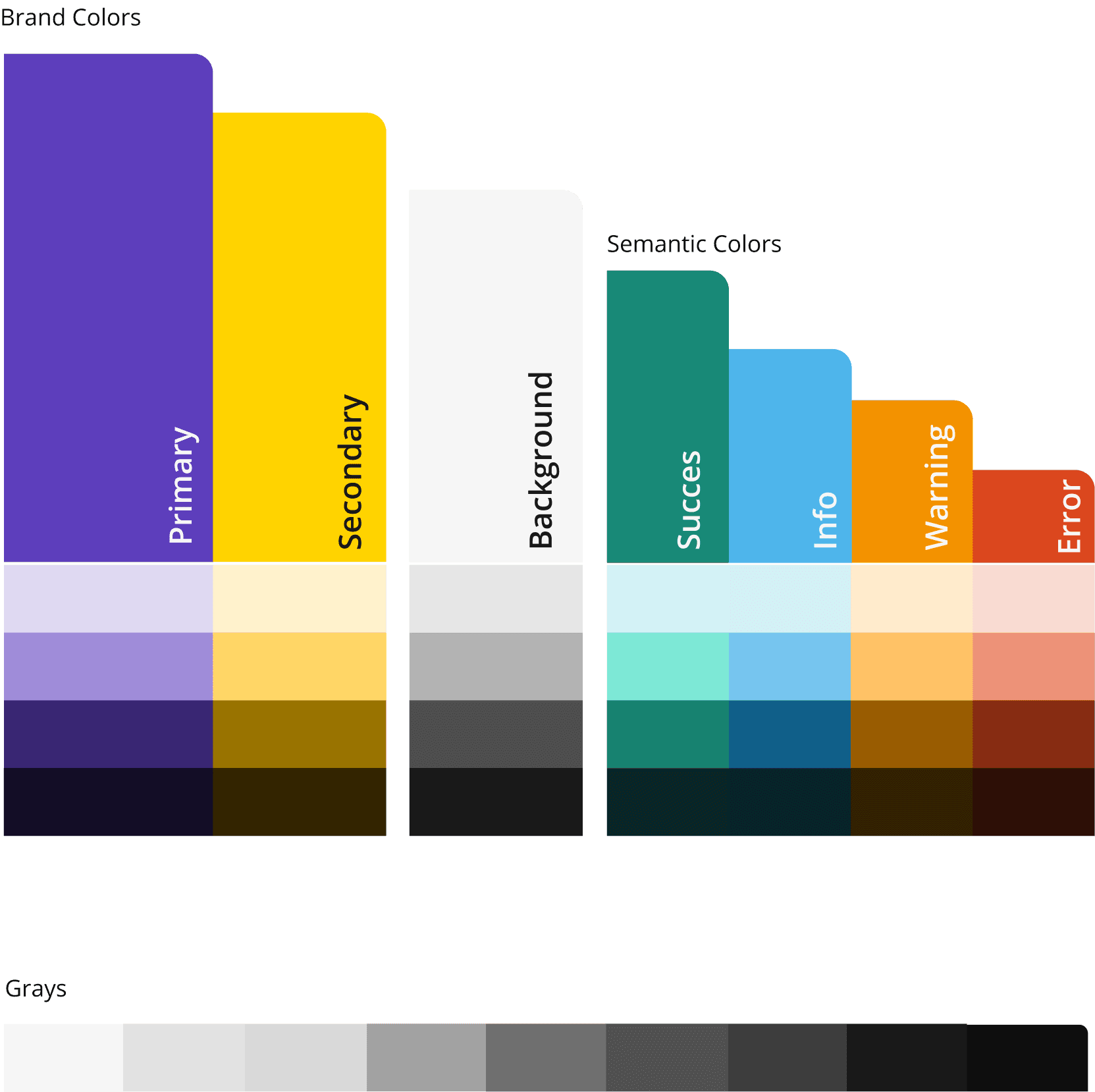
Design System
Typography
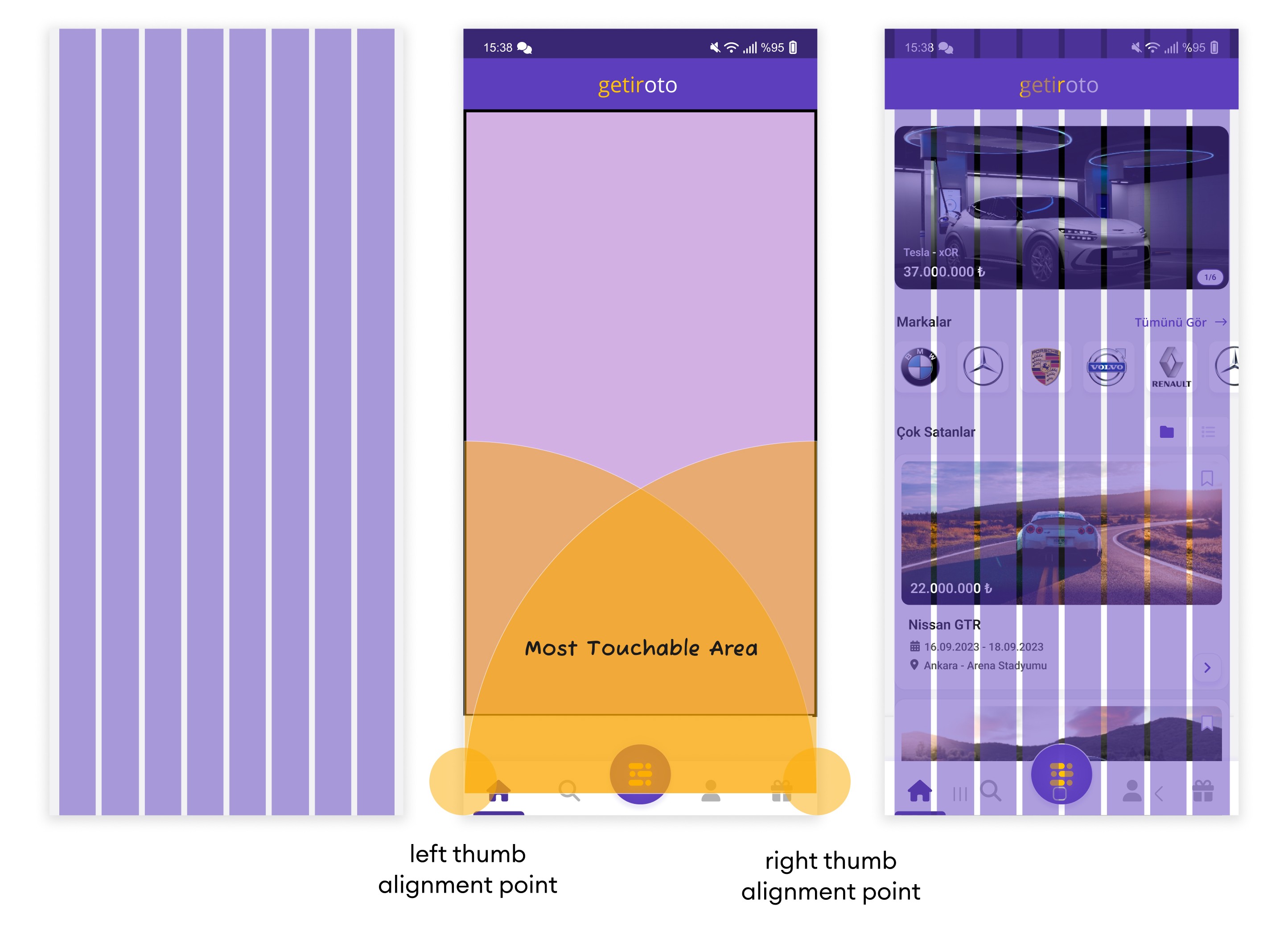
Layout System
Solutions & Design

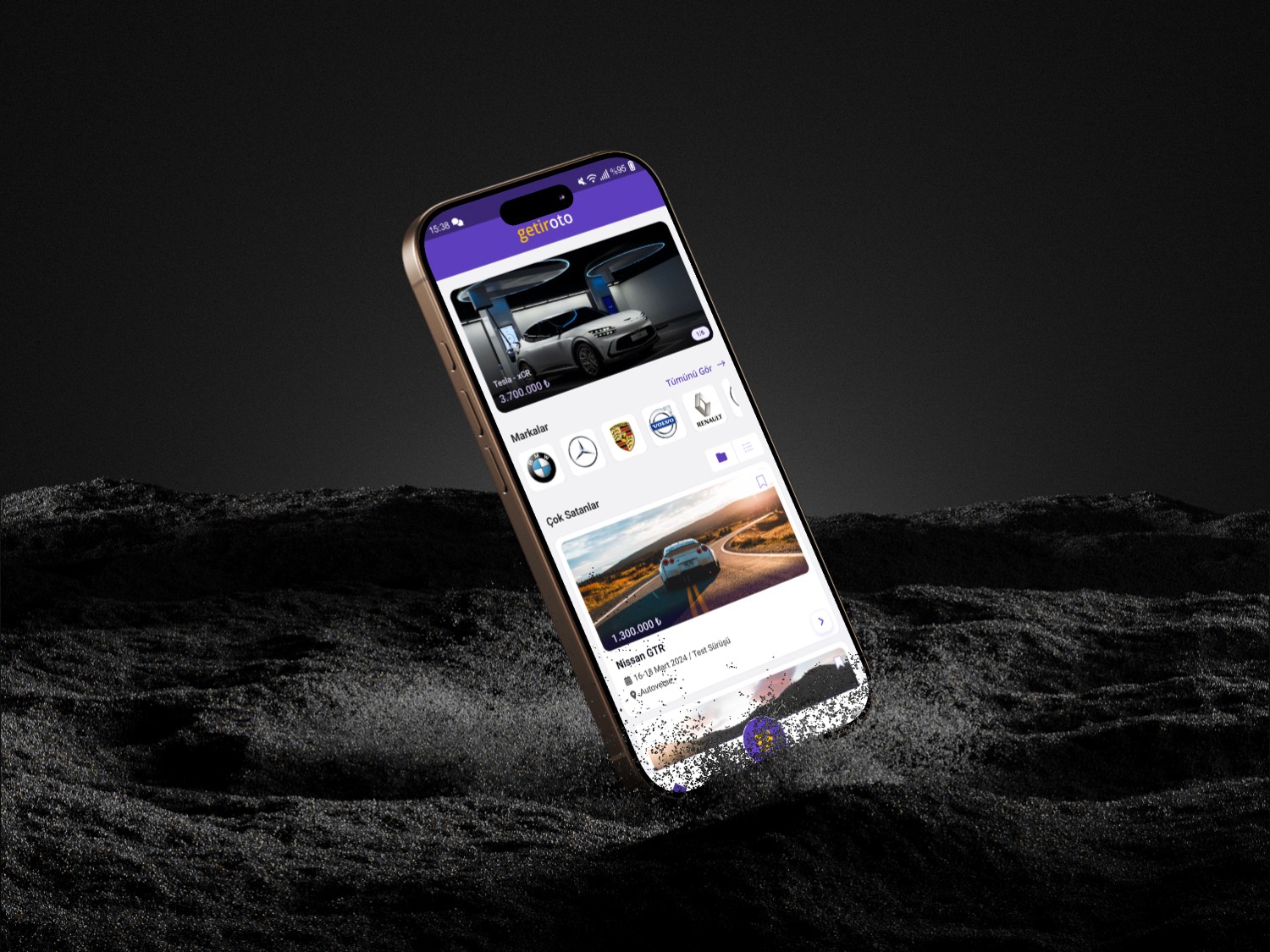
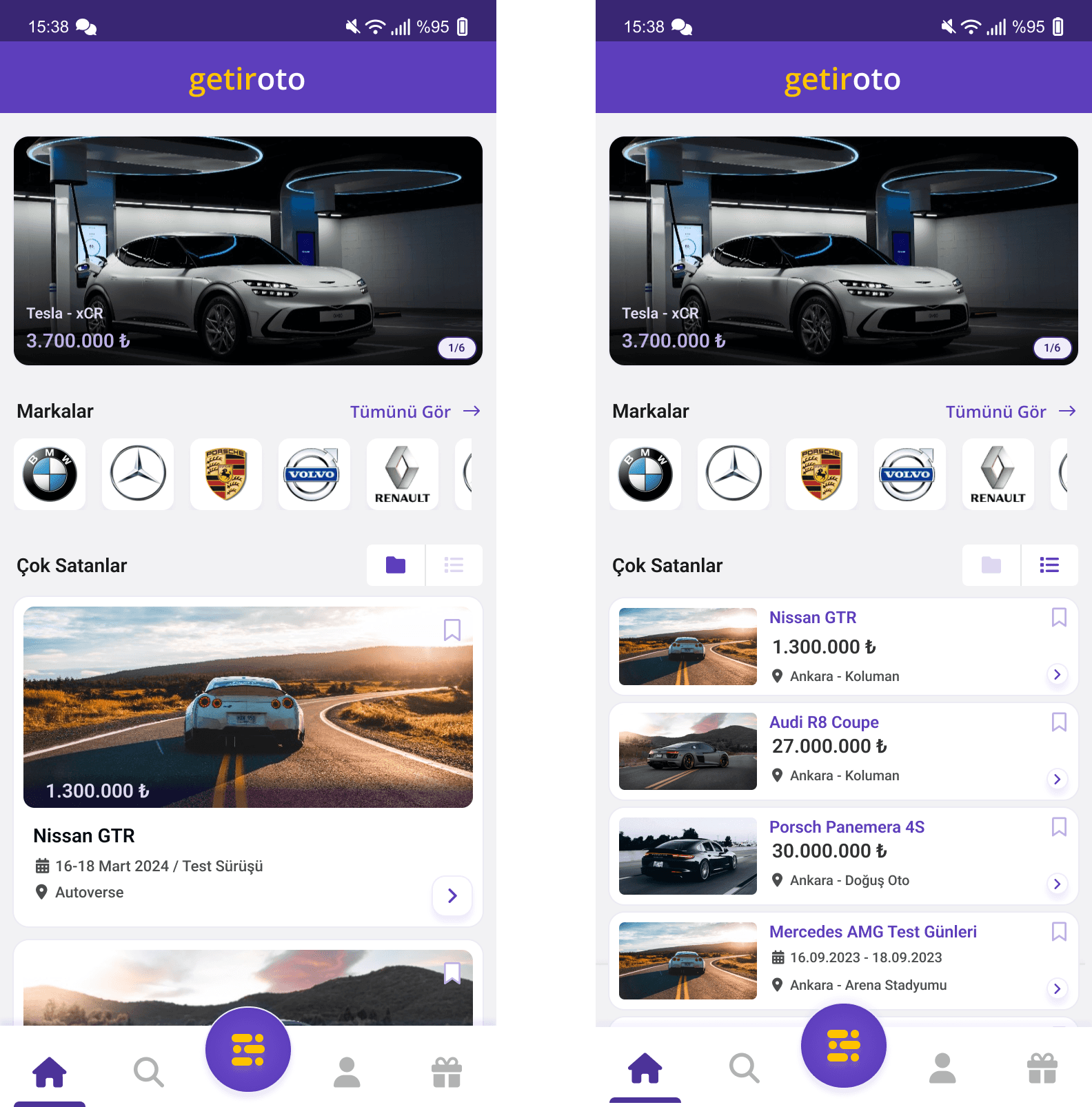
Solution 1 - Home Page

Prepared an in-depth presentation and comprehensive documentation detailing the research findings, design rationale, user testing outcomes, and the iterative design process. Highlighted the app's potential to transform the educational landscape by making learning more interactive, engaging, and collaborative.

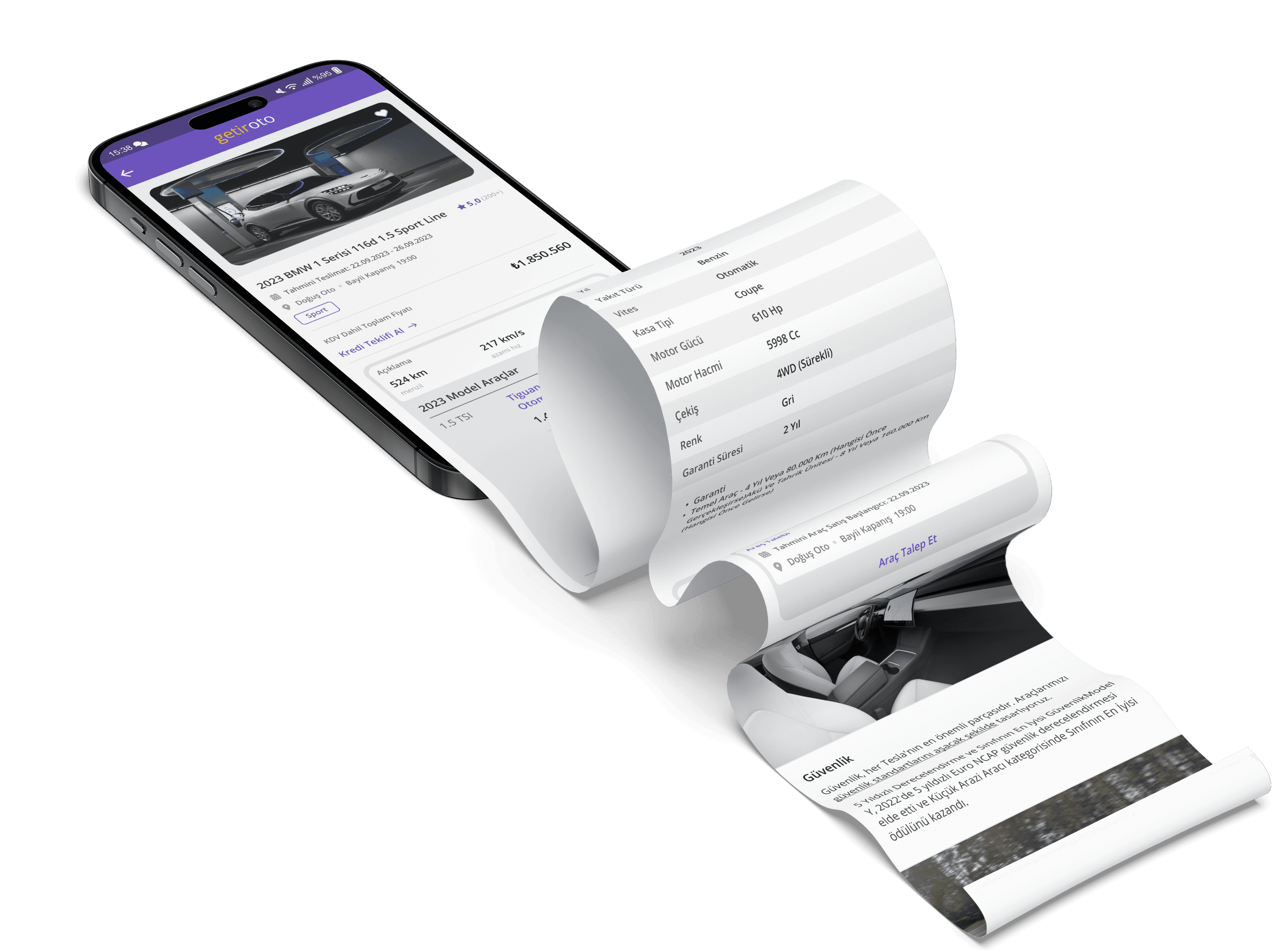
Solution 2 - Detail Page

Prepared an in-depth presentation and comprehensive documentation detailing the research findings, design rationale, user testing outcomes, and the iterative design process. Highlighted the app's potential to transform the educational landscape by making learning more interactive, engaging, and collaborative.

Solution 3- Create Your Own Package

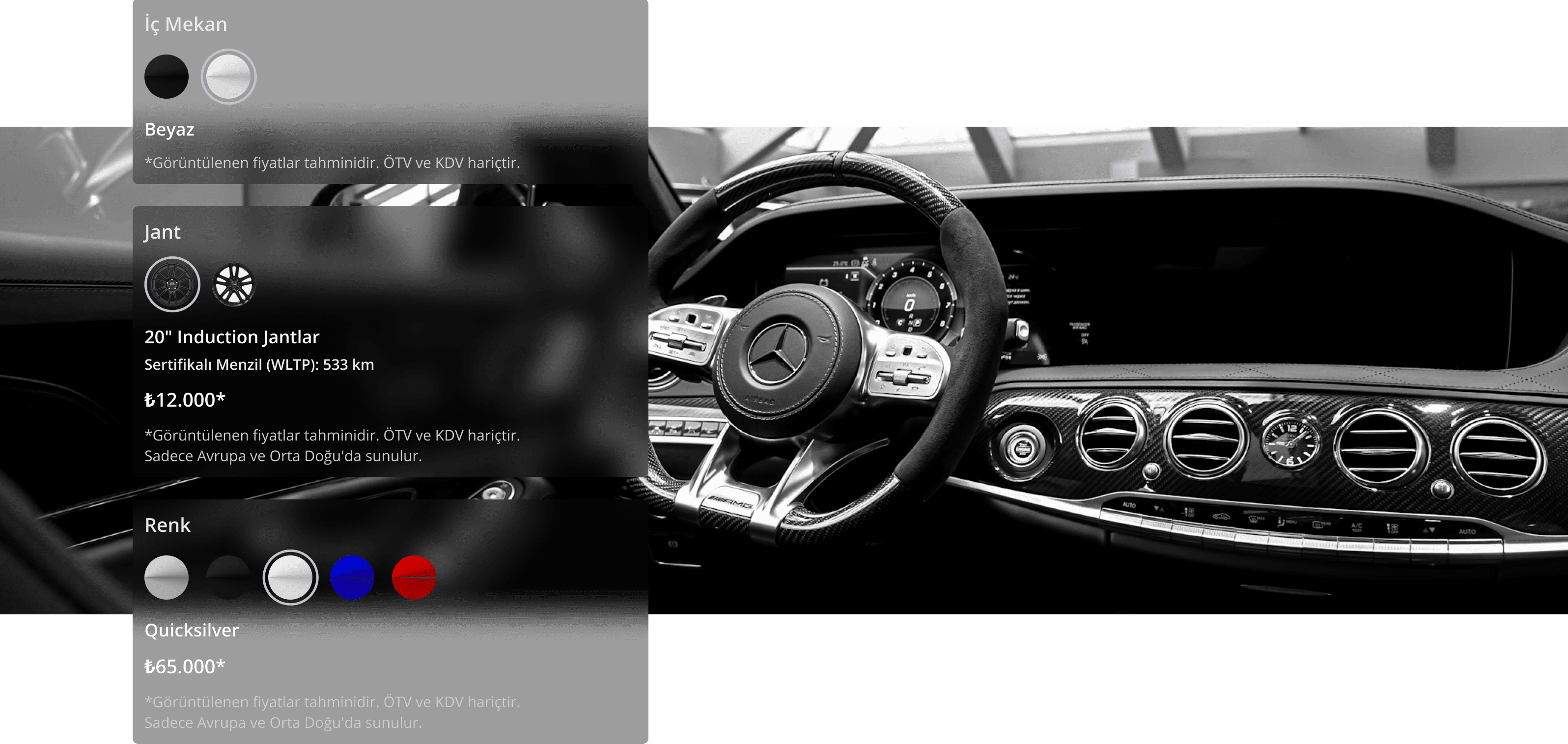
To ensure that users can quickly and easily choose the most suitable vehicle package for their needs, I designed an intuitive interface. The key UX principles considered in this step include:
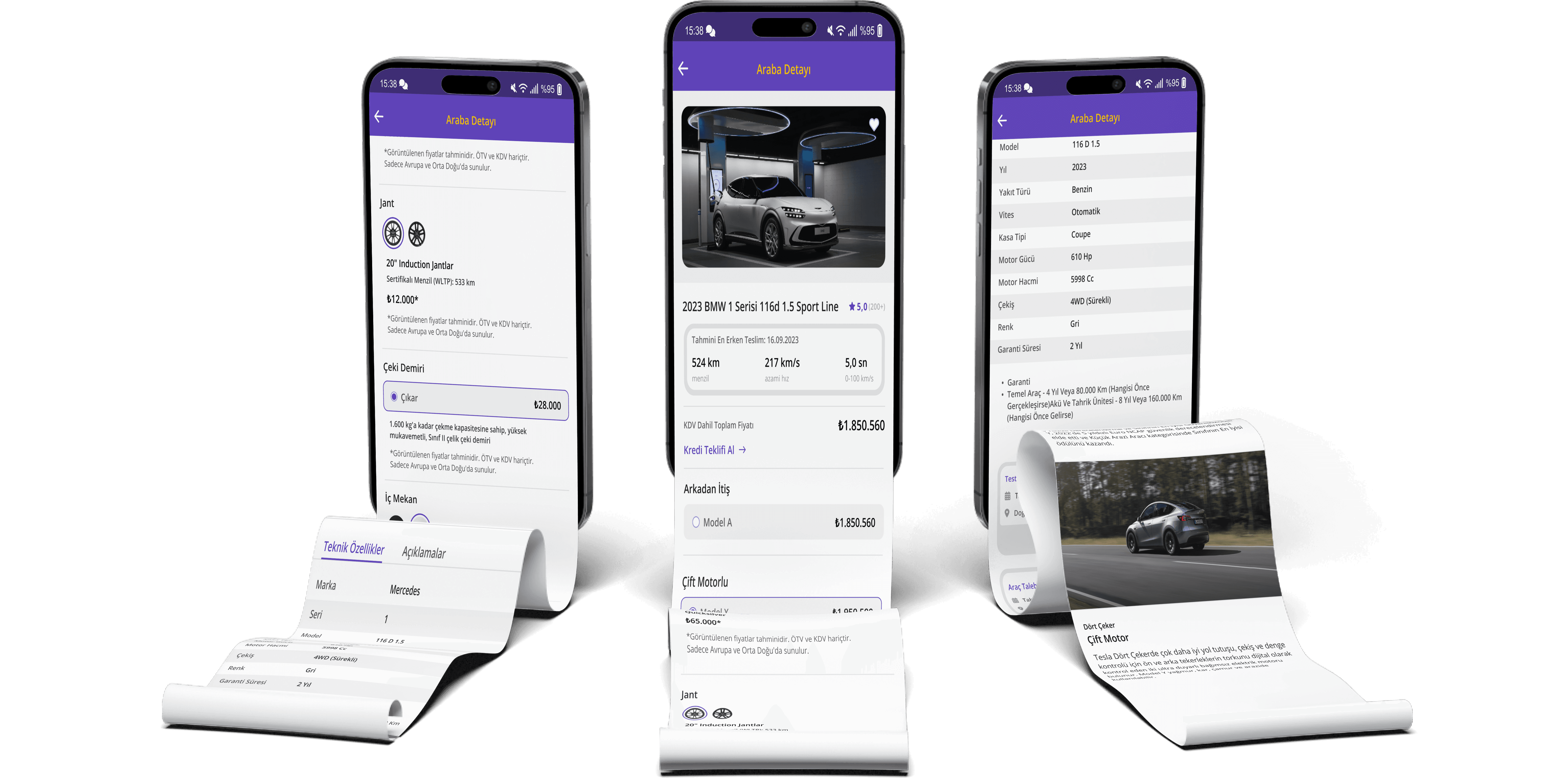
  • Informative and Visualized Content: Each package is presented with concise descriptions and visuals to allow users to compare options easily.
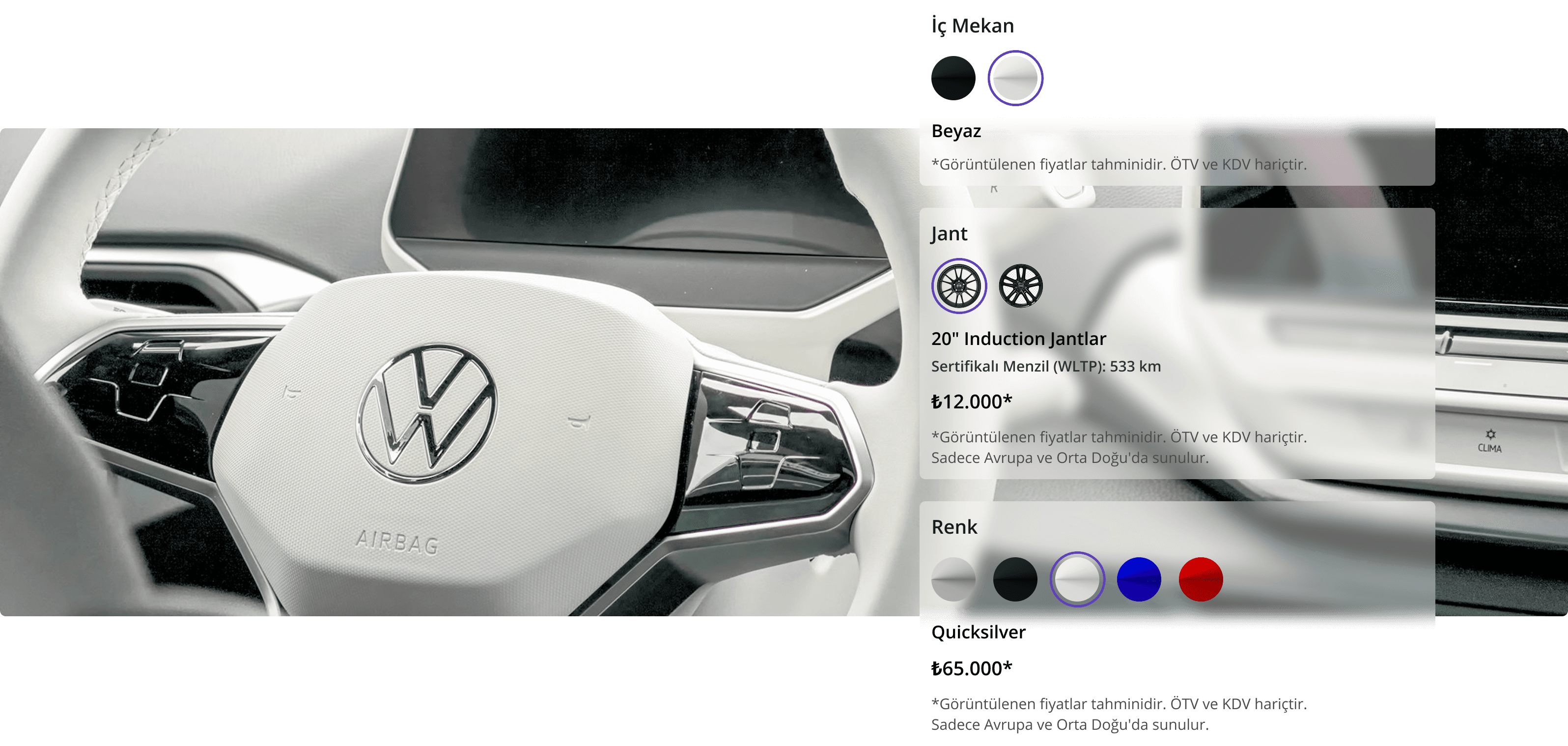
  • Flexibility and Personalization: Users can customize their experience by selecting optional add-ons on top of the base package.

  • Prioritized Information Architecture: A hierarchical presentation of information ensures that the most critical details, such as pricing and benefits, are highlighted for the user.

  • Real-Time Feedback Mechanisms: Users can instantly view and modify their selected package details as they make their choices.

Solution 4 - Payment Process

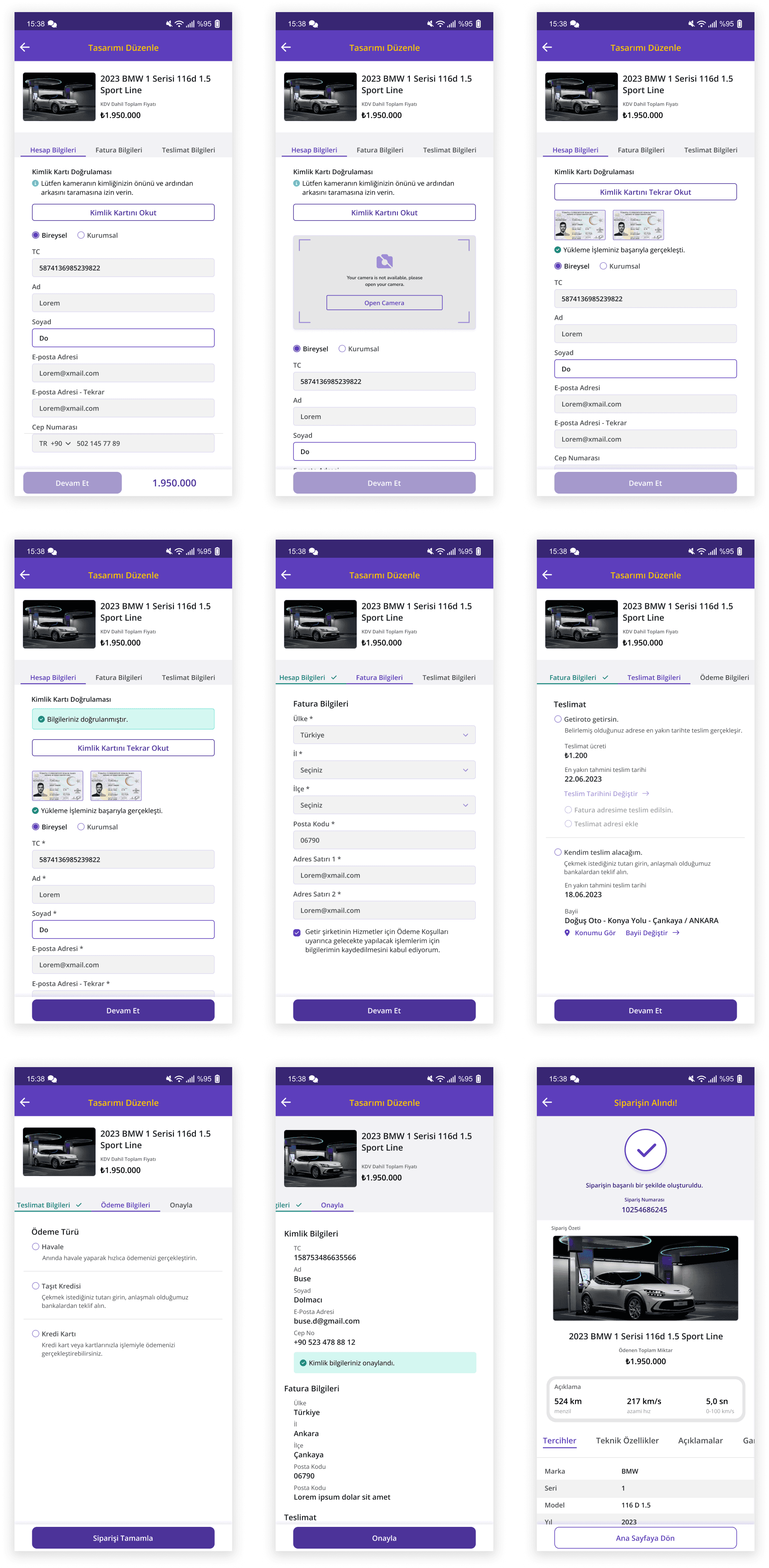
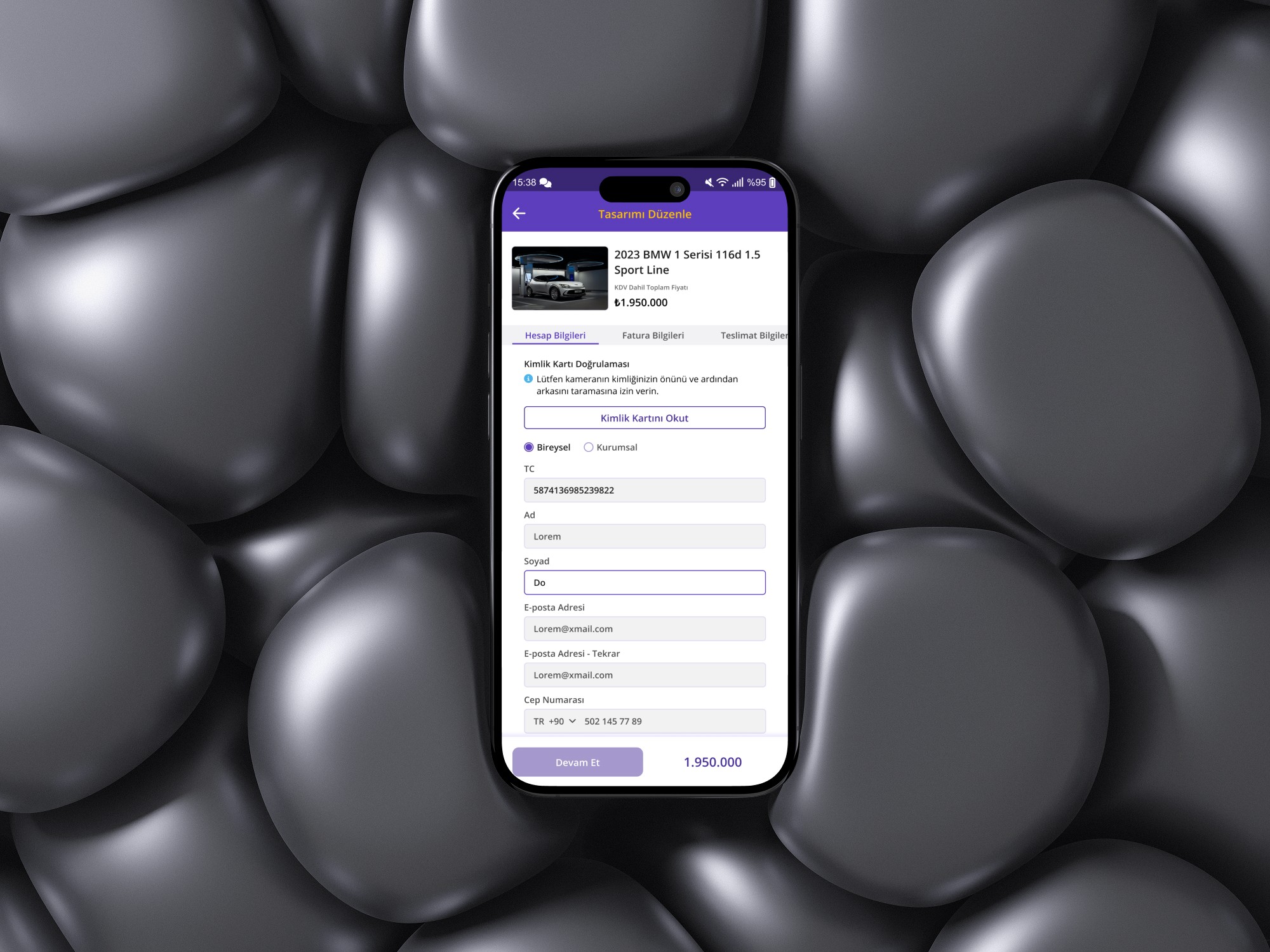
To create a seamless and secure payment process, I implemented the following optimizations:

  • Step-by-Step Guidance: The payment process is divided into clear steps, allowing users to track their progress as they complete each stage.

  • Transparency and Trust: All costs, including extra fees, taxes, and discounts, are displayed upfront, ensuring users make informed decisions without unexpected charges.

  • Multiple Payment Options: Users can easily choose their preferred payment method, such as credit cards, debit cards, or digital wallets.

  • Error Prevention and Feedback: The system detects incomplete or incorrect payment details in real time, providing clear and actionable error messages to guide the user.

This process is designed to make vehicle selection and payment effortless while enhancing user satisfaction through a smooth and reliable experience.
Solution 5 - Delivery Process

After the vehicle purchase, I designed a persistent card component that remains on the screen until the user successfully receives their car. This ensures easy access to essential information and provides psychological reassurance, regardless of the user’s age group.
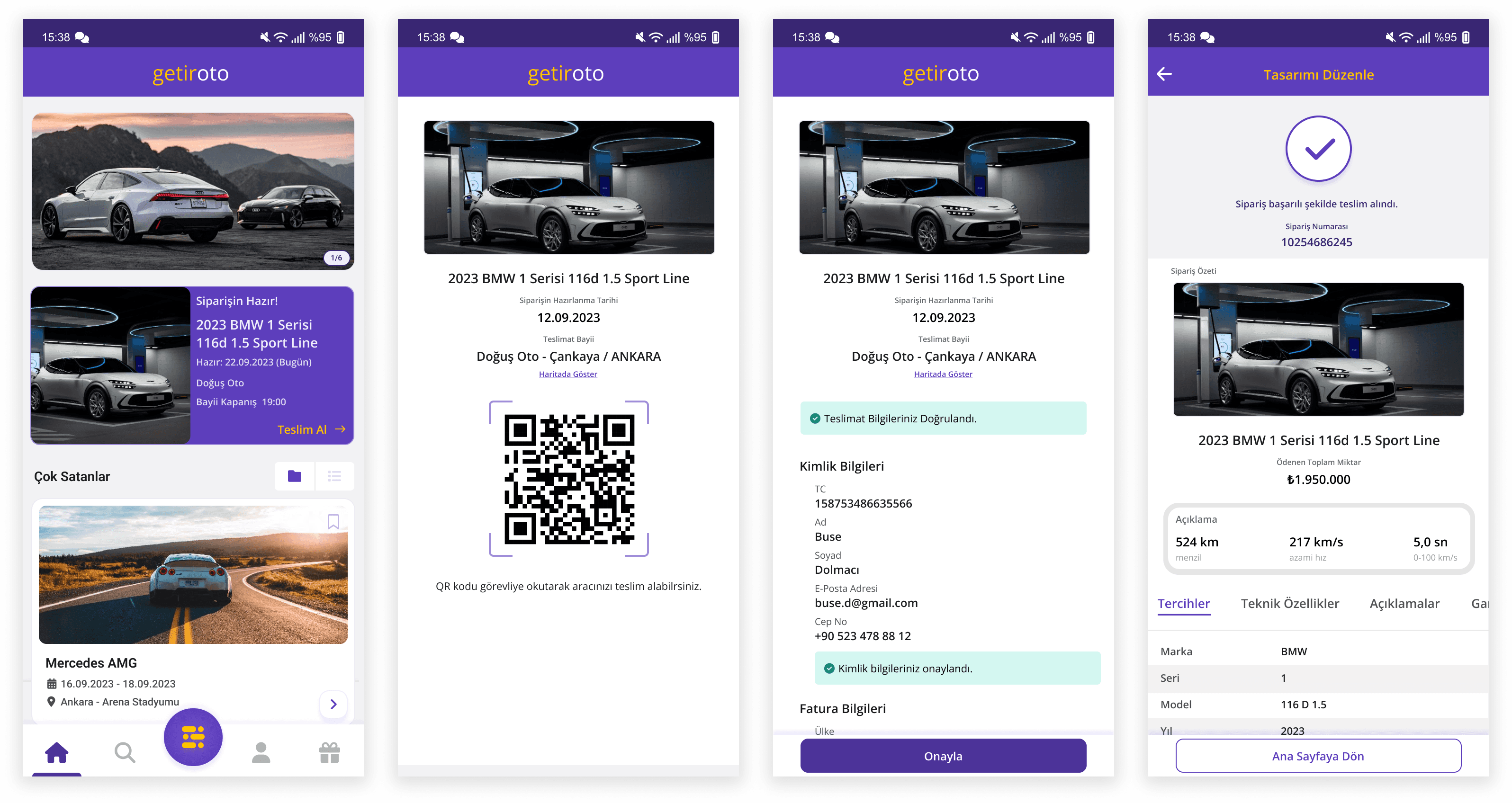
Users have two delivery options:

  1. Home Delivery: The vehicle can be delivered directly to the user’s preferred location by Getirian.

  2. Pickup from a Partner Dealer: Users can visit a Getir-partnered dealership and pick up their car by scanning a QR code within the app.

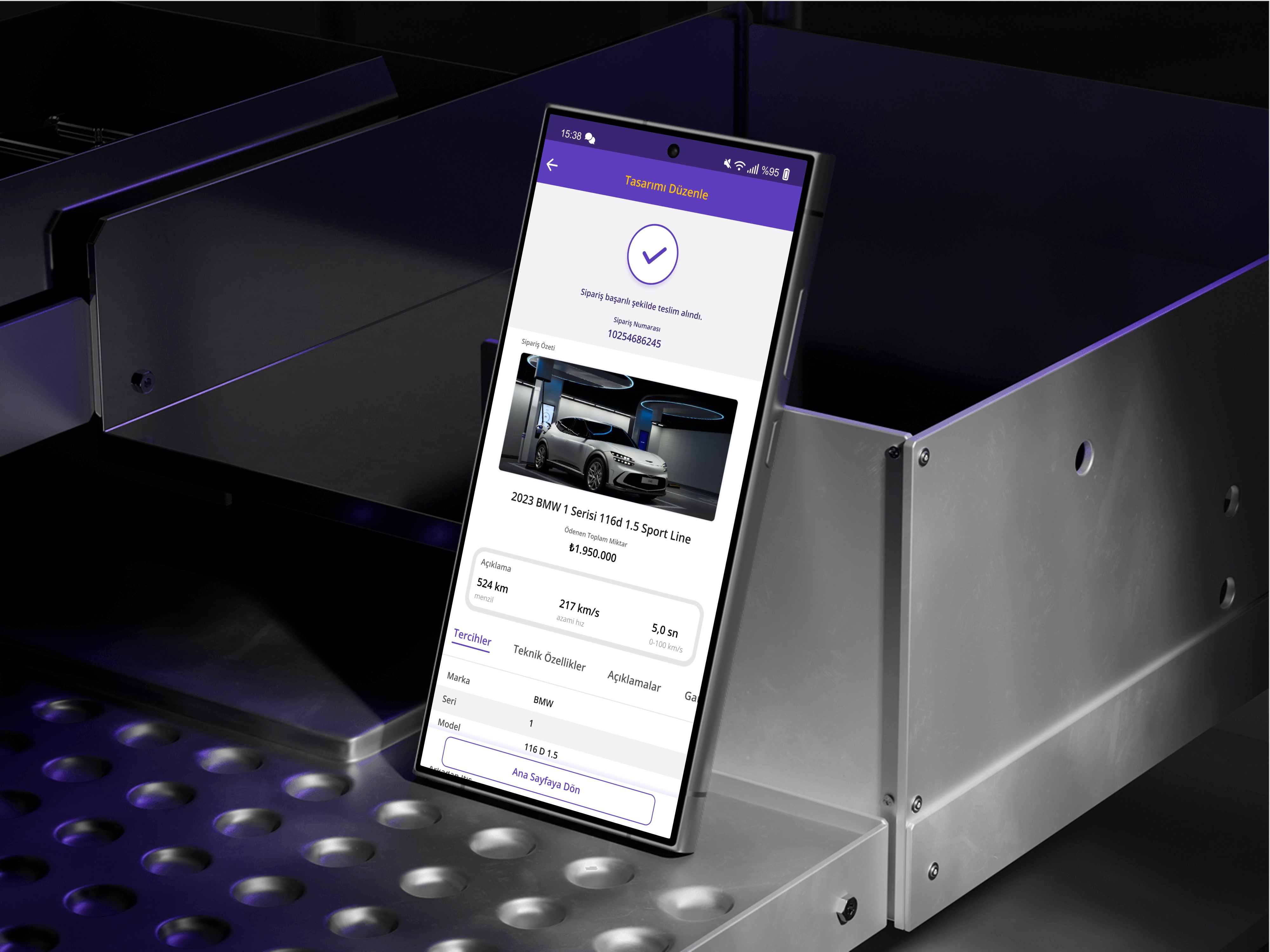
For both scenarios, the QR code serves as a seamless authentication method, ensuring a secure and efficient handover process. This approach minimizes friction, enhances transparency, and guarantees a smooth experience by accurately matching customers with their vehicles.


Reflections

Throughout this process, I aimed to design the entire experience in alignment with Getir’s existing design system and behavioral patterns. While doing so, I explored Getir’s design elements in depth and developed a tailored design system to ensure consistency and scalability.

Within this case study, users can seamlessly filter vehicles, customize their package based on their preferences, and manage their journey through flexible payment and delivery options. By integrating intuitive interactions and clear user flows, I designed a cohesive and user-centric experience that enhances accessibility, trust, and efficiency.
a cell phone leaning on a ledge
a pair of cell phones on a concrete block
a cell phone with a yellow rectangular screen

Other projects

All rights reserved by Buse Bilger © 2025

All rights reserved by Buse Bilger © 2025

All rights reserved by Buse Bilger © 2025

Create a free website with Framer, the website builder loved by startups, designers and agencies.