A Real Case Study: Smart Watch Application for Runners
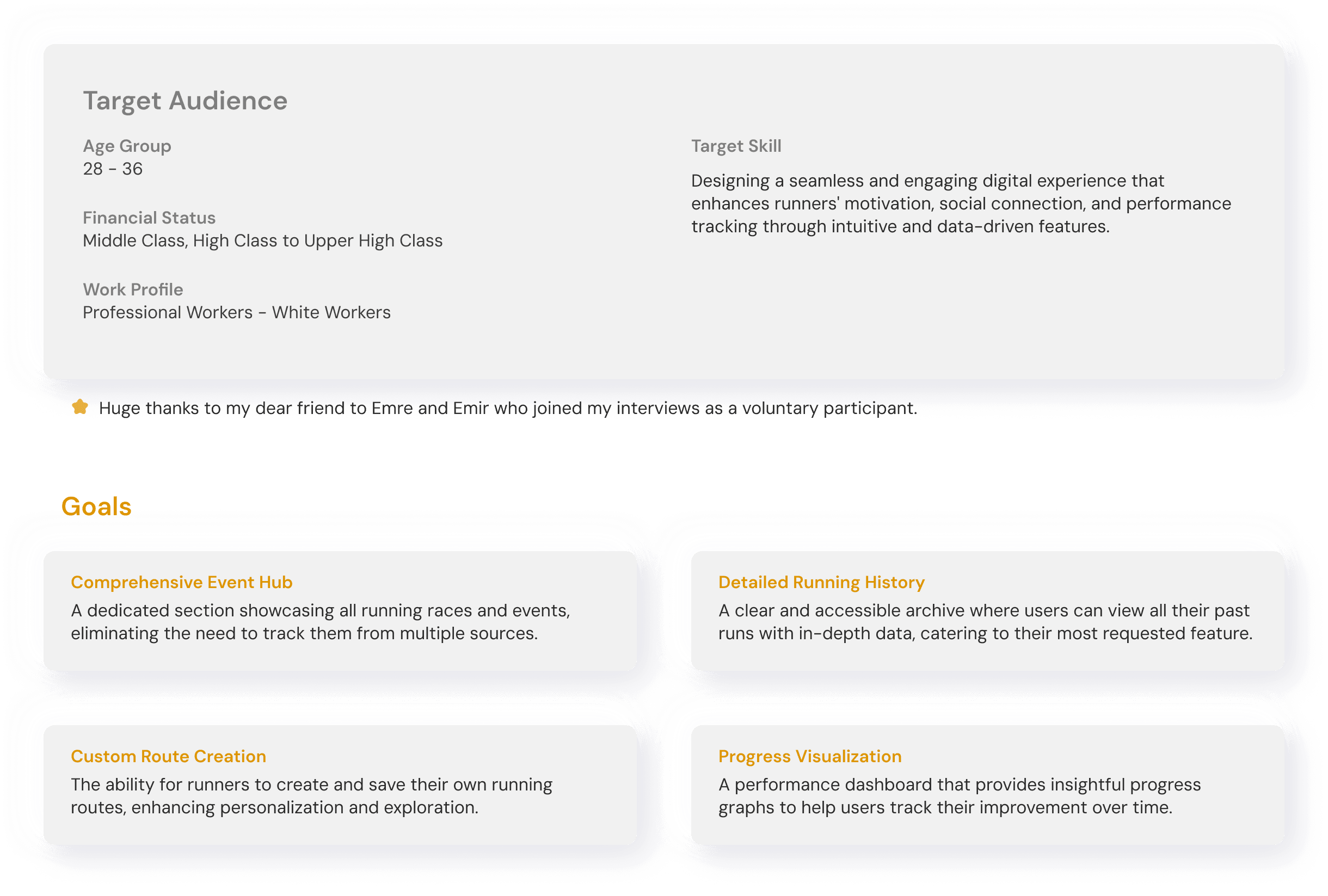
As part of this design case, I am conducting interviews with runners to understand their needs, challenges, and motivations. By gathering insights from real users, I aim to create a solution that enhances their training experience, helps them track performance, and keeps them motivated.
Introduction
Note: design process continues. As part of this design case, I am conducting interviews with runners to understand their needs, challenges, and motivations. By gathering insights from real users, I aim to create a solution that enhances their training experience, helps them track performance, and keeps them motivated.
Role
Product Designer
Industry
Health & Fitness
Year
2025
Duration
1 month
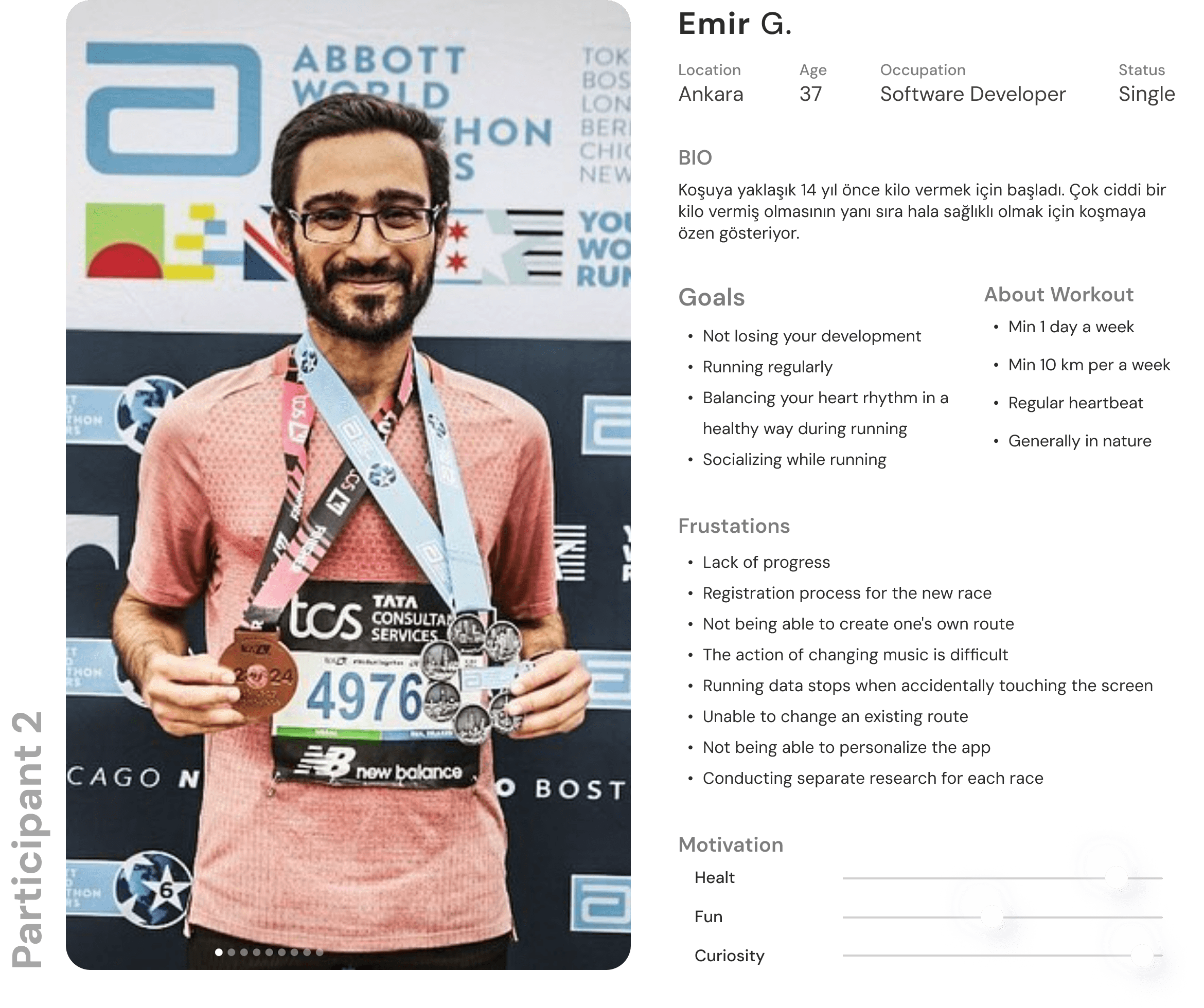
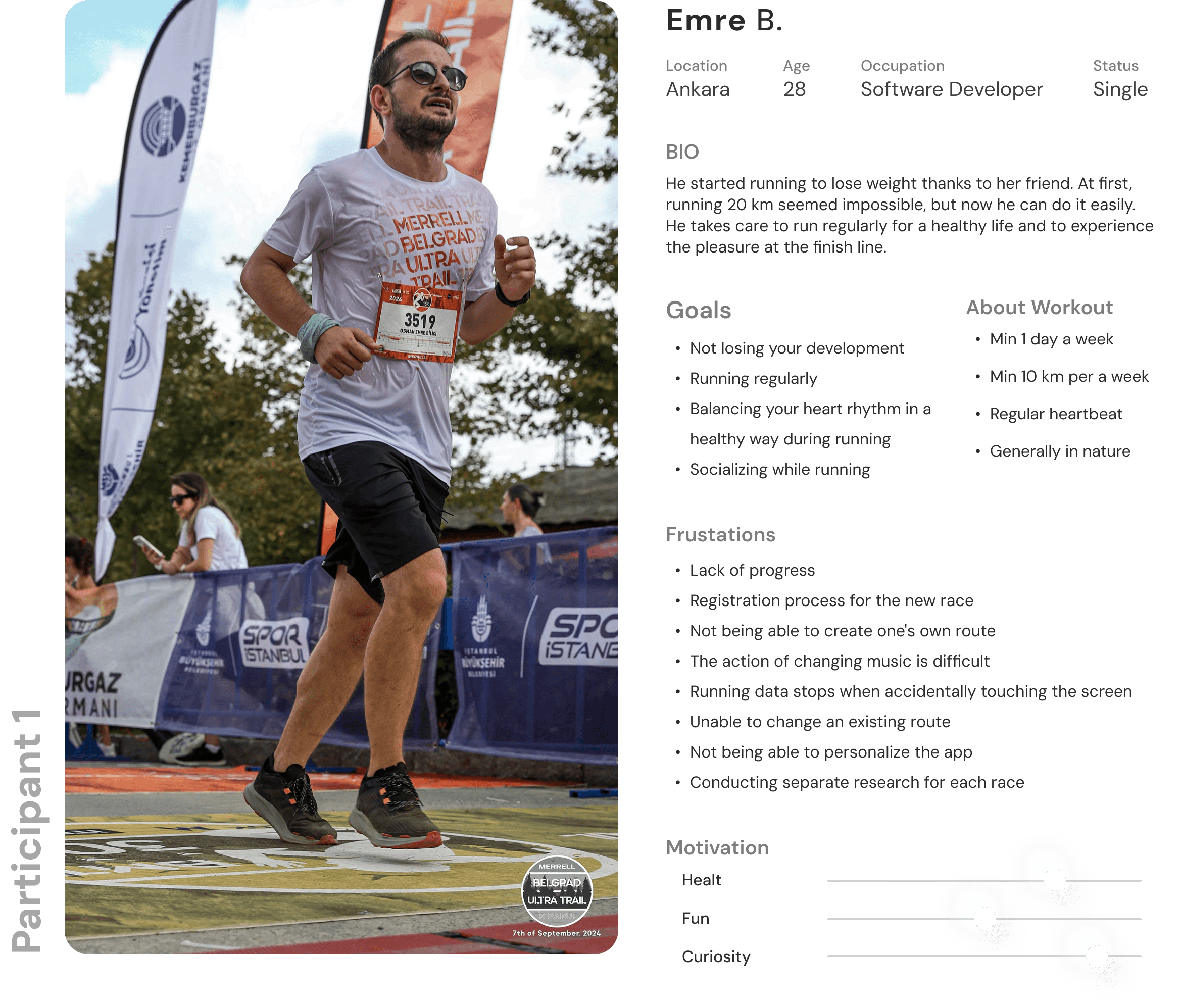
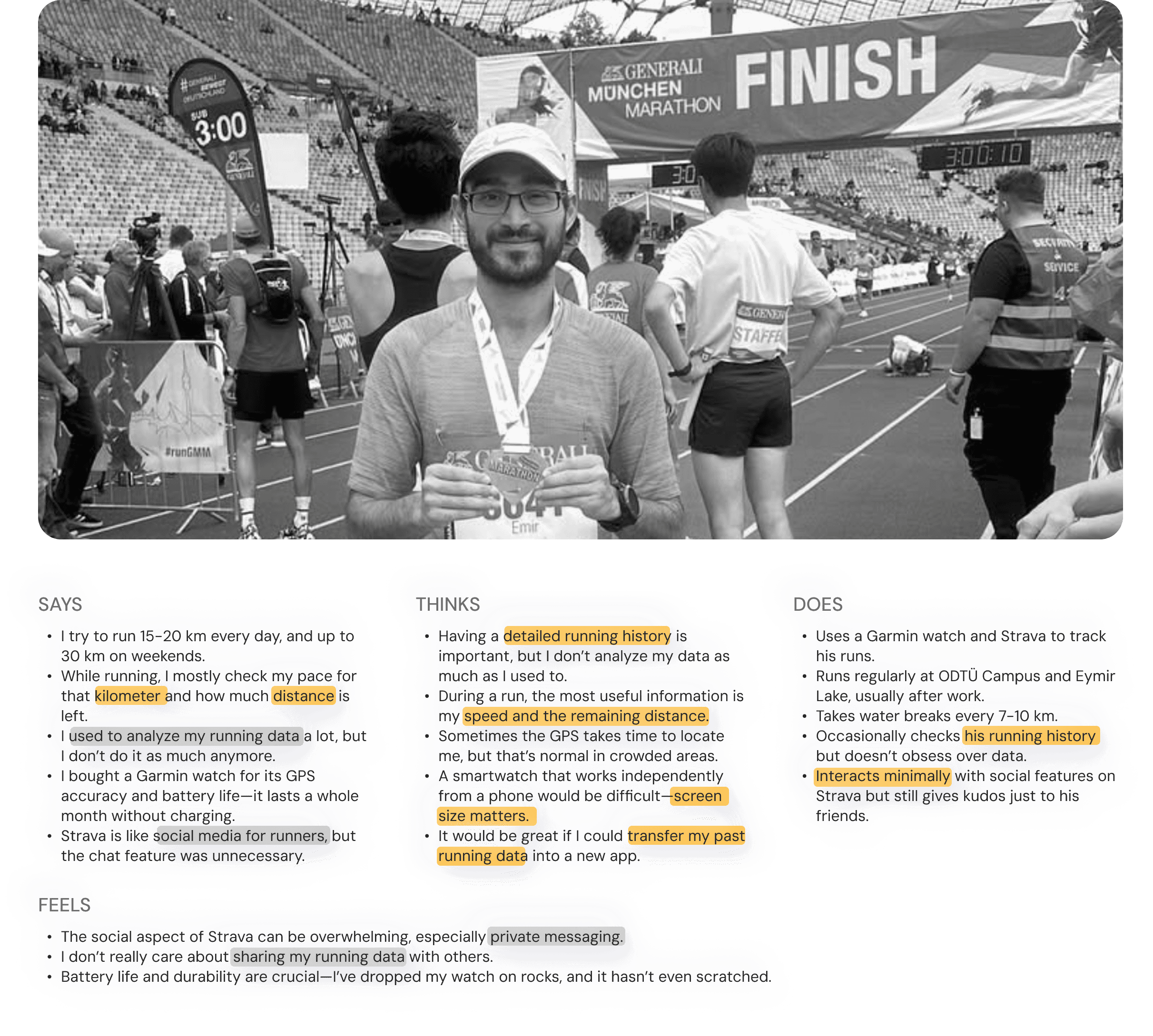
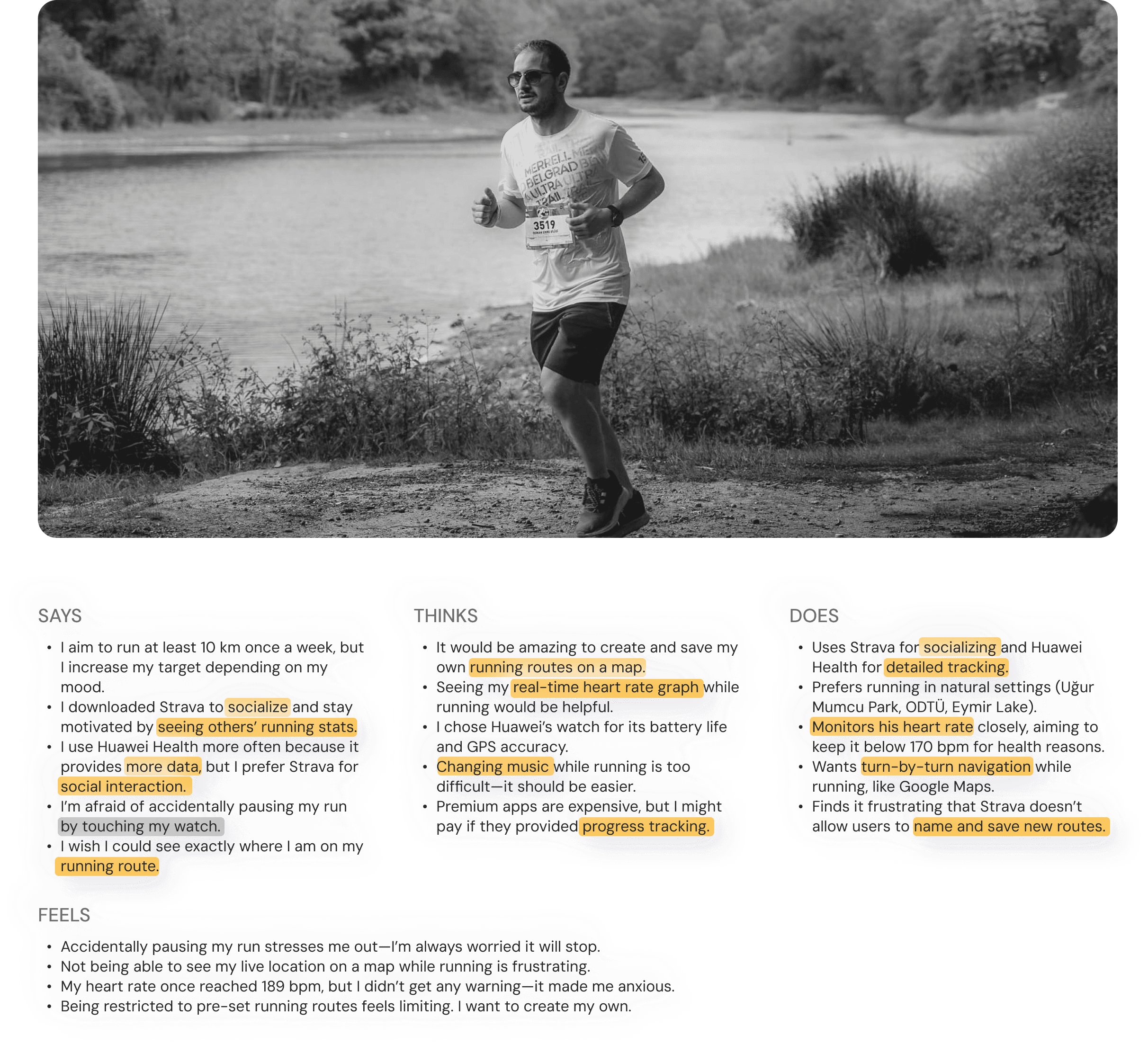
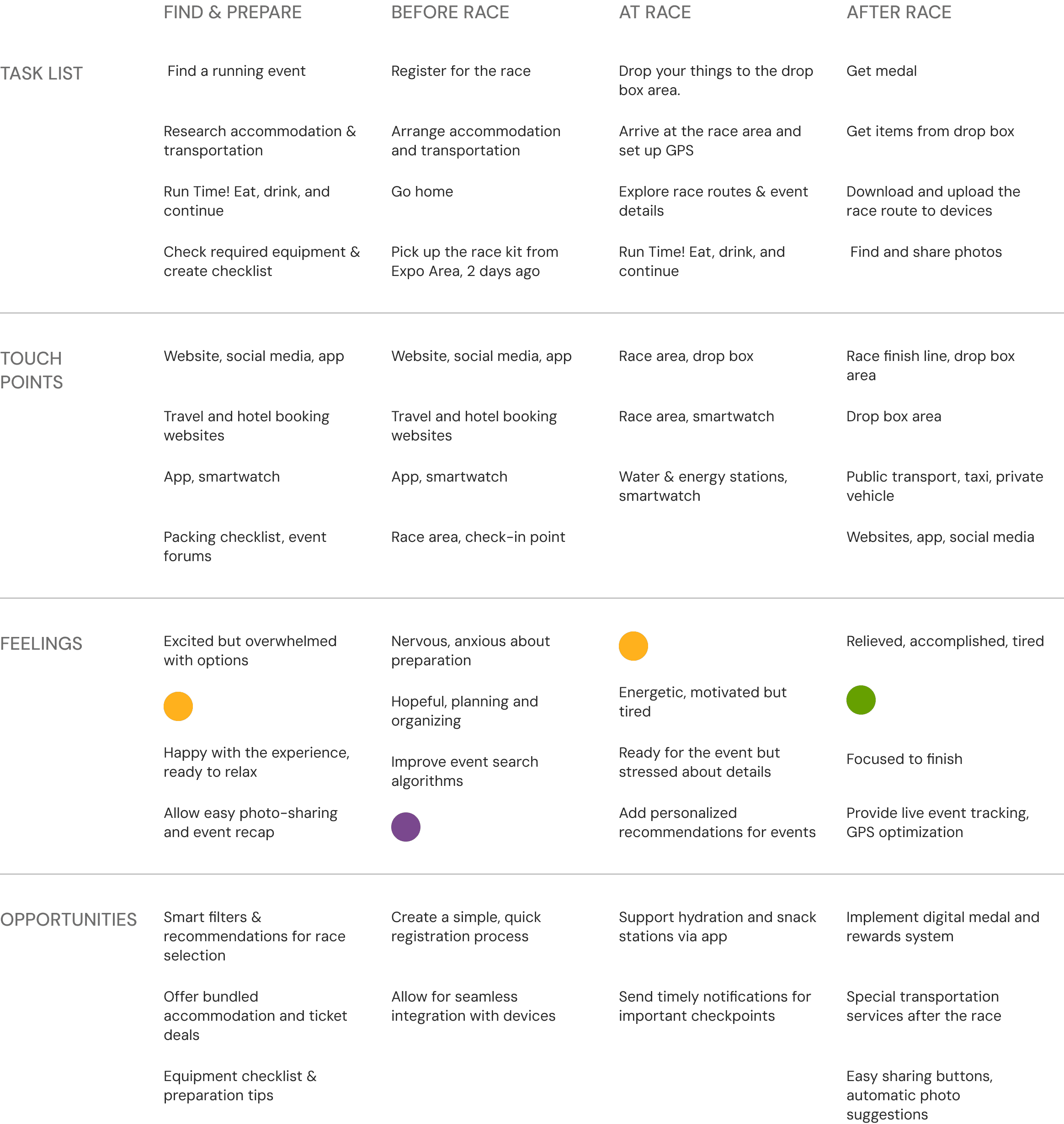
User Story
After conducting user interviews, I refined my notes and mapped out the sequence of actions runners take when heading to a race or a regular run. Creating a storyboard allowed me to visualize the entire process, and after incorporating user feedback, I fine-tuned it further. This exercise provided a valuable opportunity to deeply understand the complete journey of a runner on race day.
One of the most fascinating insights from the interviews was how runners discover events and the high level of stress they experience around drop-off logistics on race day. Many participants shared scenarios where drop-off planning becomes a major source of anxiety, affecting their overall experience.
It became evident that existing solutions are insufficient, and there is a strong need for a dedicated system to address drop-off challenges. This insight highlights a key opportunity for innovation in race-day logistics, ensuring runners can focus on their performance rather than last-mile transportation concerns.
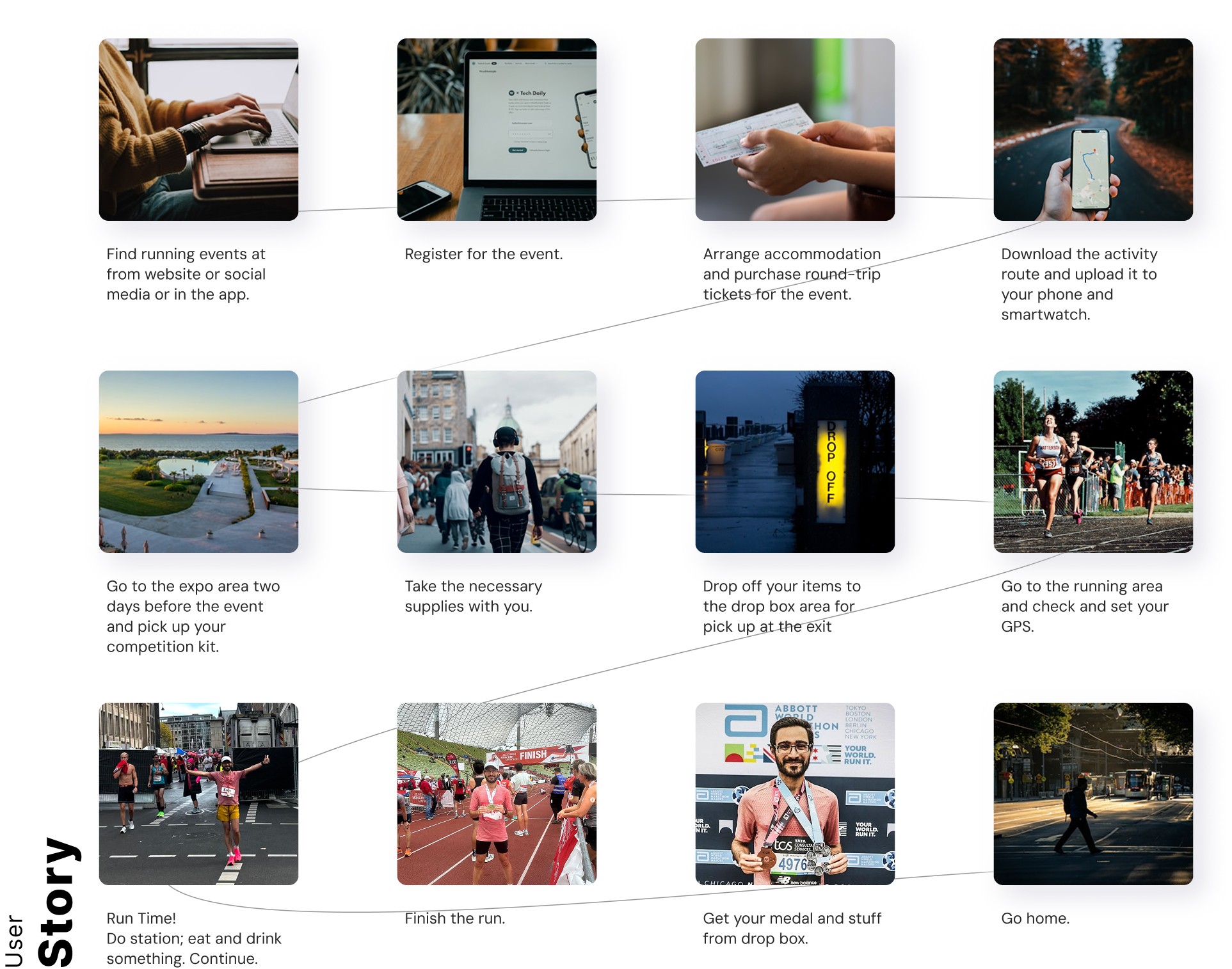
User Flow
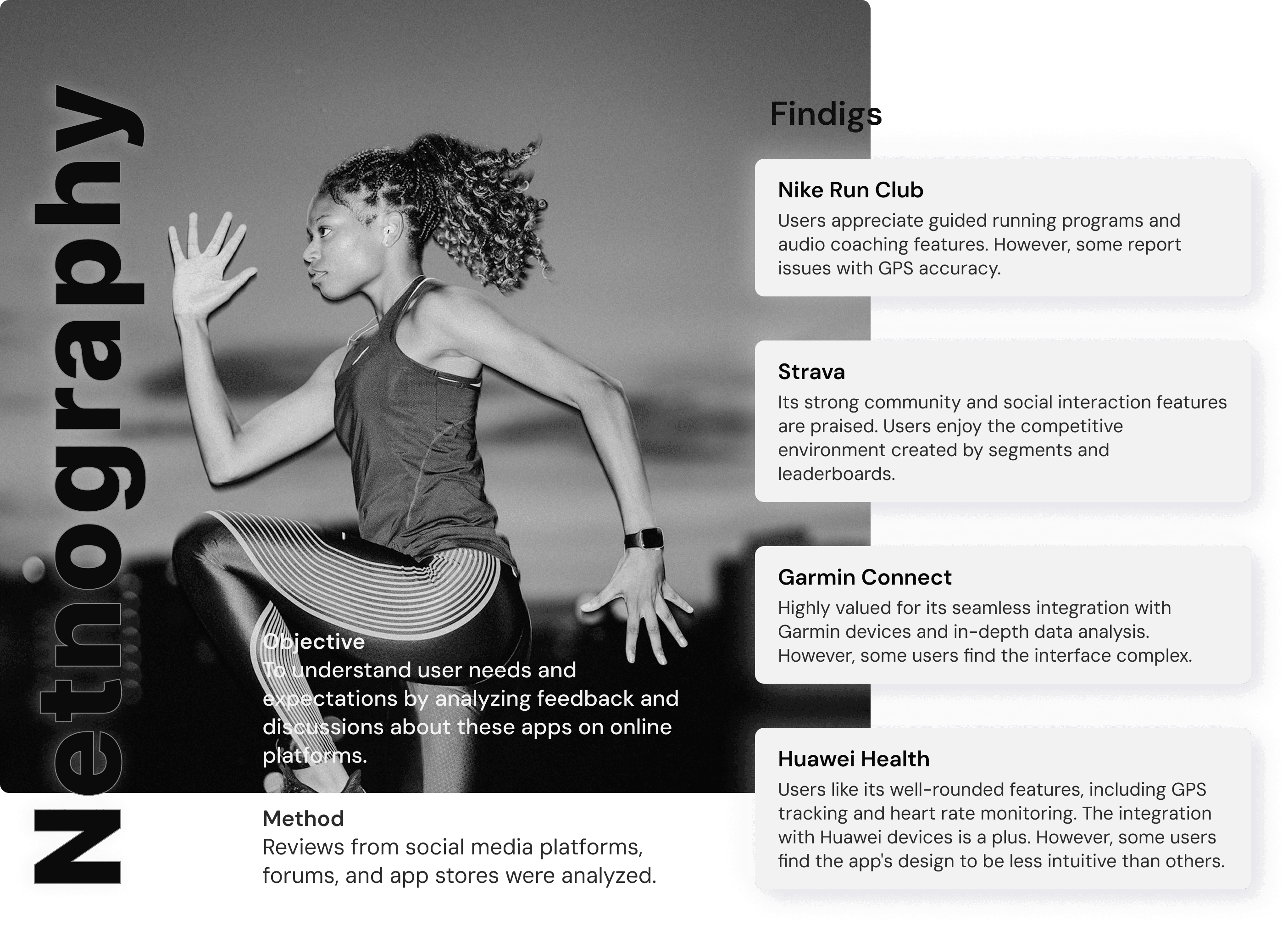
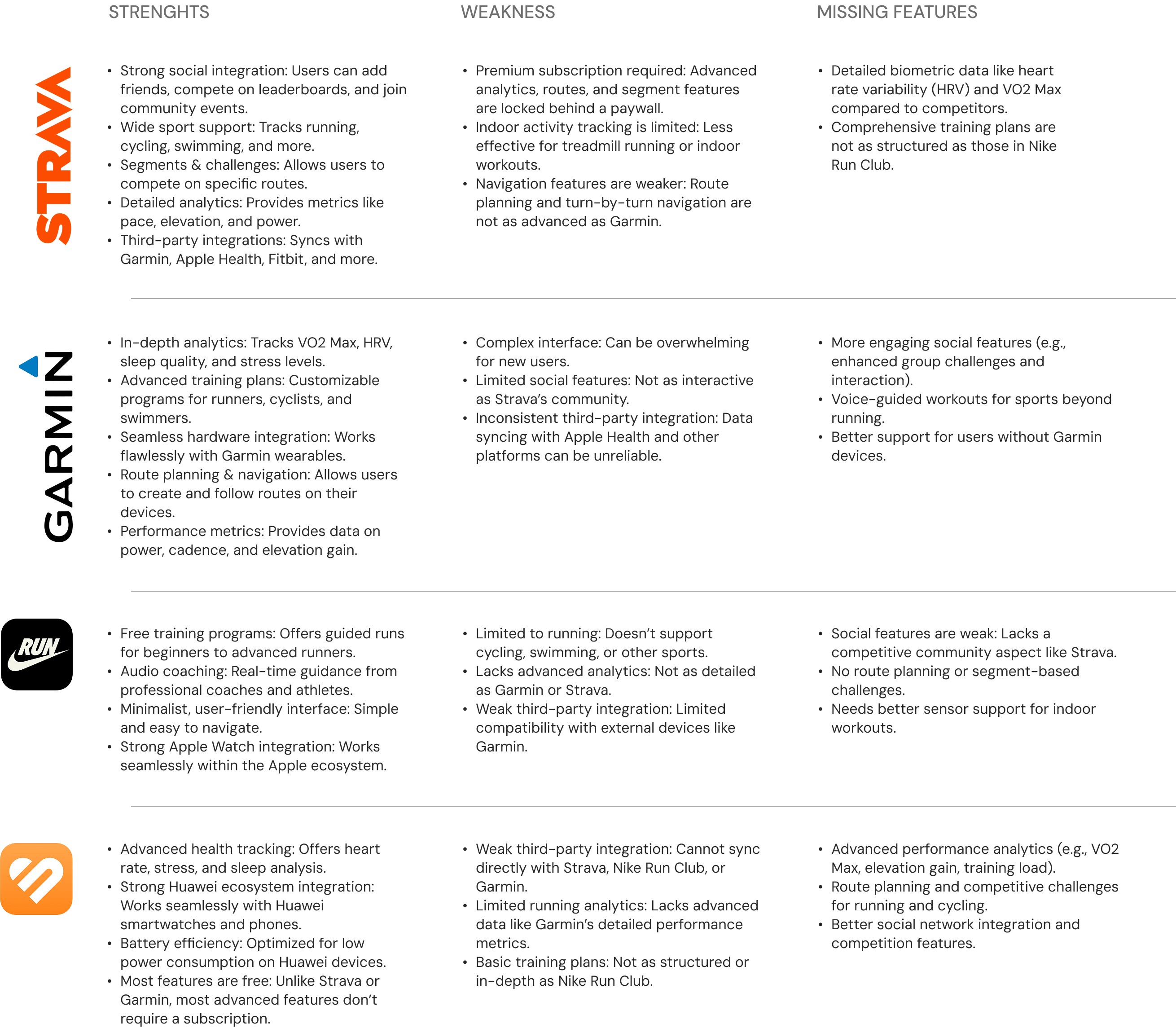
Following benchmarking, netnography, competitive analysis, and user interviews, I identified key user needs. However, as a designer, my goal goes beyond addressing these needs—I aim to help users develop a lasting running habit.
Actions have a profound impact on human psychology, but what’s even more fascinating is how consistent daily habits can lead to unexpected personal growth, much like the Duolingo effect. With this in mind, I designed a dedicated goals section within the app to support users in building and maintaining their running routine.
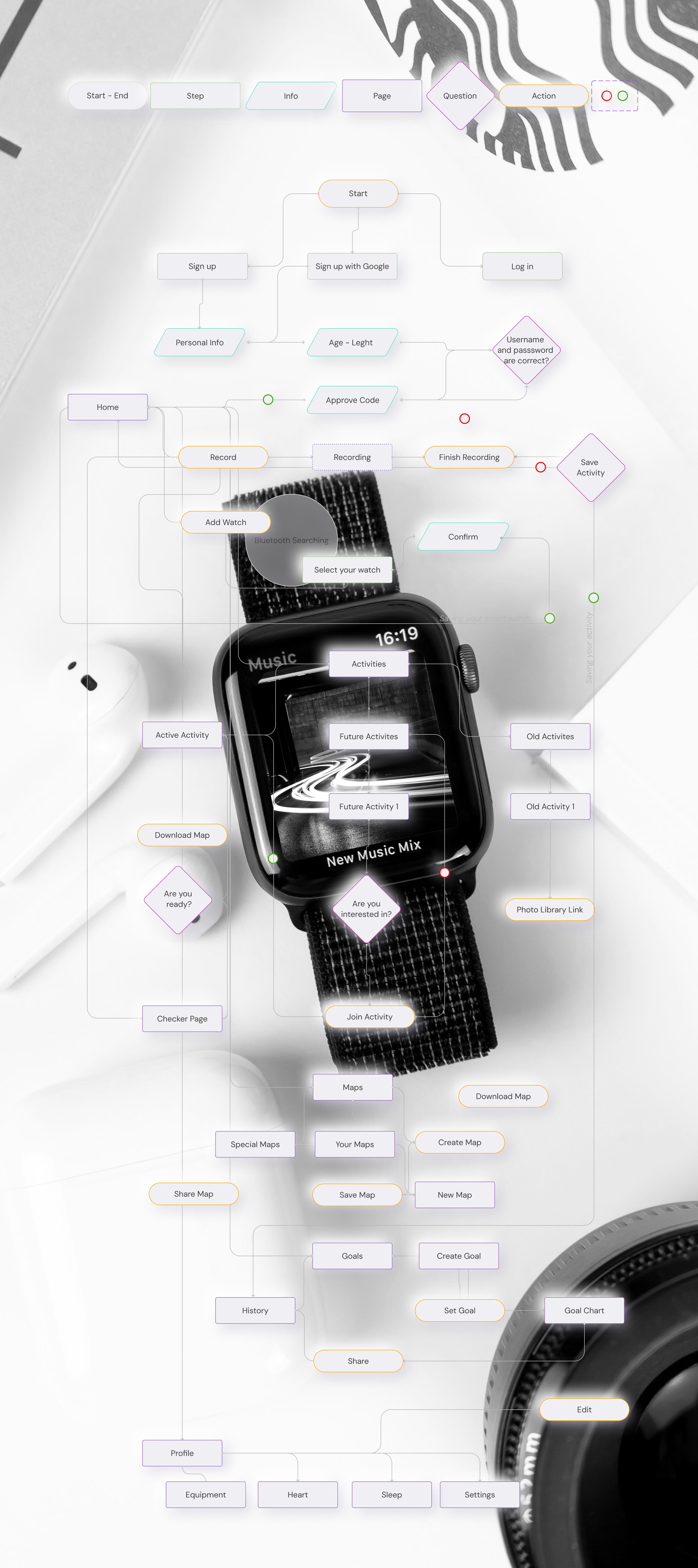
Smartwatch & Smartphone Design & Design System Needs
General Design Principles
Consistency: Ensure UI elements, color palette, and typography are consistent across both smartphone and smartwatch.
Scalability: Components should be resizable and adaptable between smartwatch and smartphone screens.
Context Awareness: The UX should fit the different usage contexts of a phone (detailed interaction) and a watch (quick glances).
Touch & Gesture Optimization: The smartwatch UI should prioritize minimal taps and swipe gestures for ease of use.

UI/UX Design Needs
Smartphone Version
Modular components that optimize large screen usage
Detailed data visualization (charts, maps, analytics panels)
Notifications & interaction scenarios (e.g., race countdown, training reminders)
Light & Dark Mode support
Offline functionality (preloading race routes, offline analytics)
Personal & social sharing support (sharing post-race scores, engaging with the community)
Smartwatch Version
Minimal & fast UI elements (quick glance-friendly displays)
Larger buttons & touch targets for ease of use
Real-time status updates & quick notifications (e.g., pace, heart rate, remaining distance)
Quick controls & micro-interactions (e.g., one-tap water station check-ins, pace adjustments)
Voice control & haptic feedback guidance
Outcomes
The redesigned fitness tracker app received overwhelmingly positive feedback from users, who praised its improved usability, engaging design, and motivational features. The project was a significant learning opportunity, enhancing my understanding of user-centric design principles and the impact of design on user behavior and app retention.
Other projects
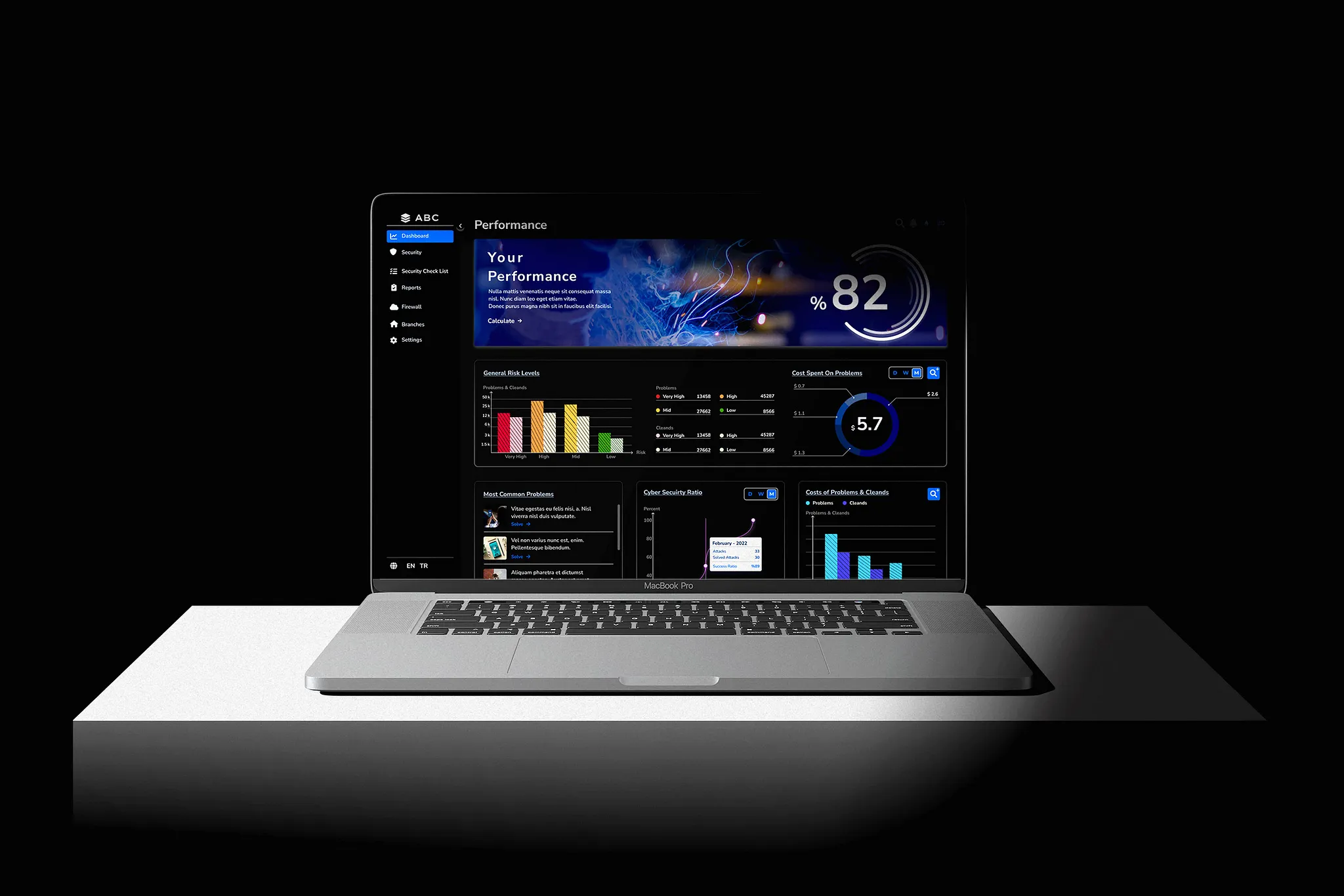
Cybersecurity Management for Banks and Branches
ABC is a desktop app that verifies how prepared banks are against 'cybersecurity threats.'
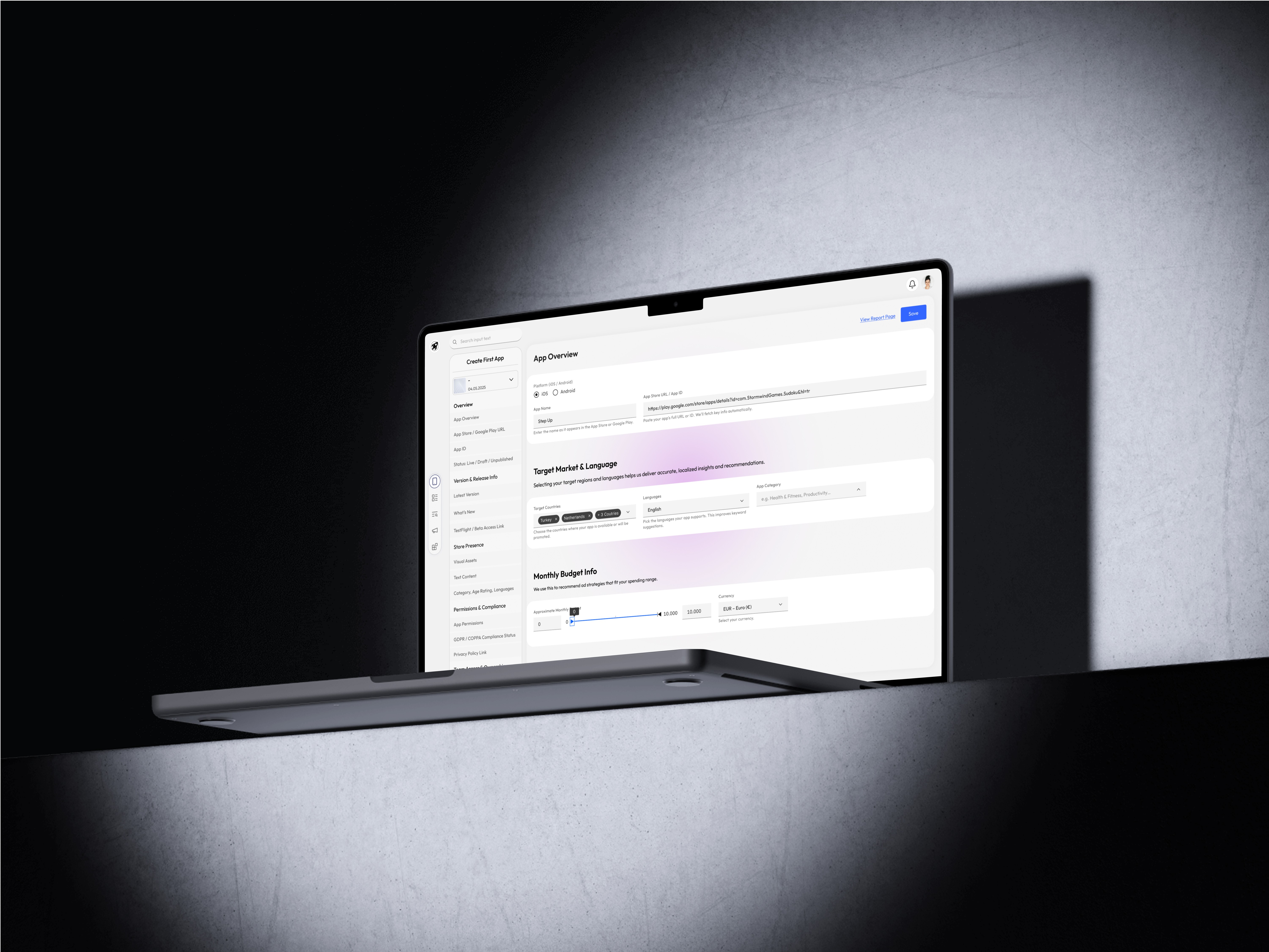
MobileAction
Designing a Scalable Onboarding Experience for a Powerful ASO & Ad Management Platform.
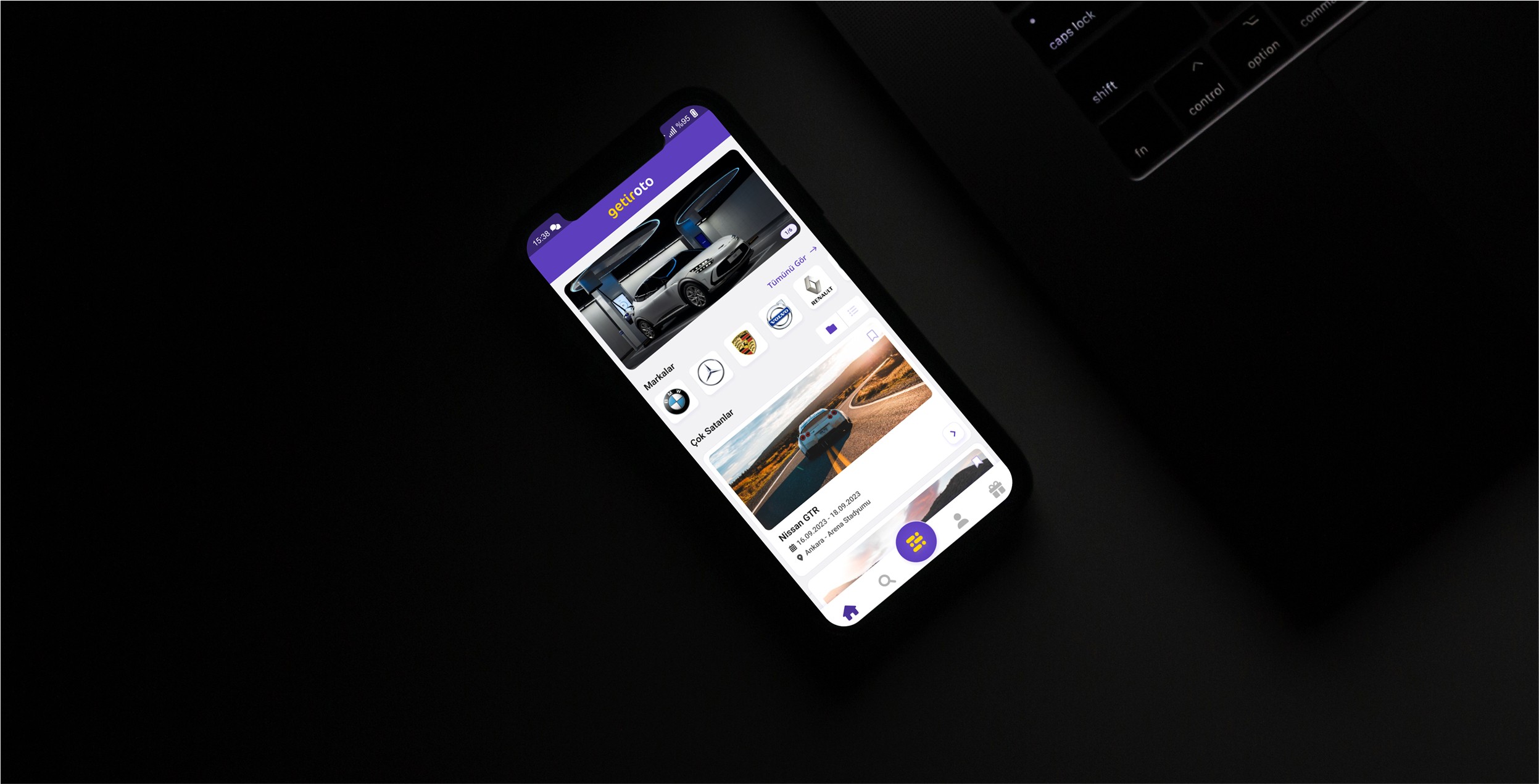
Getir Oto / Design Case
Revolutionizing the educational ecosystem with a mobile app designed to enhance interactive learning and peer collaboration.
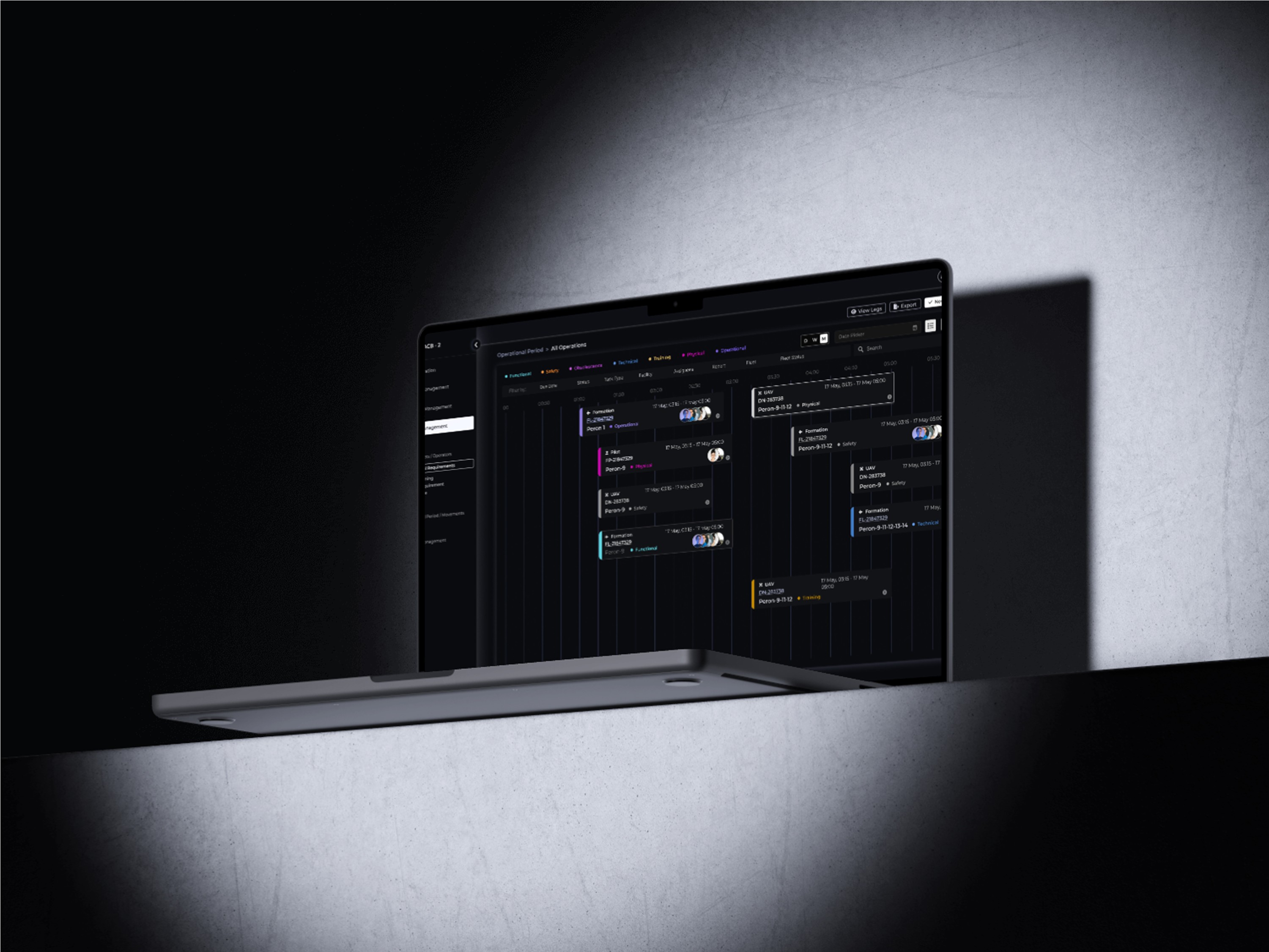
Fleet Management
Designing a desktop app to optimize fleet management and logistics coordination, from real F-16 pilot insight to prototype.